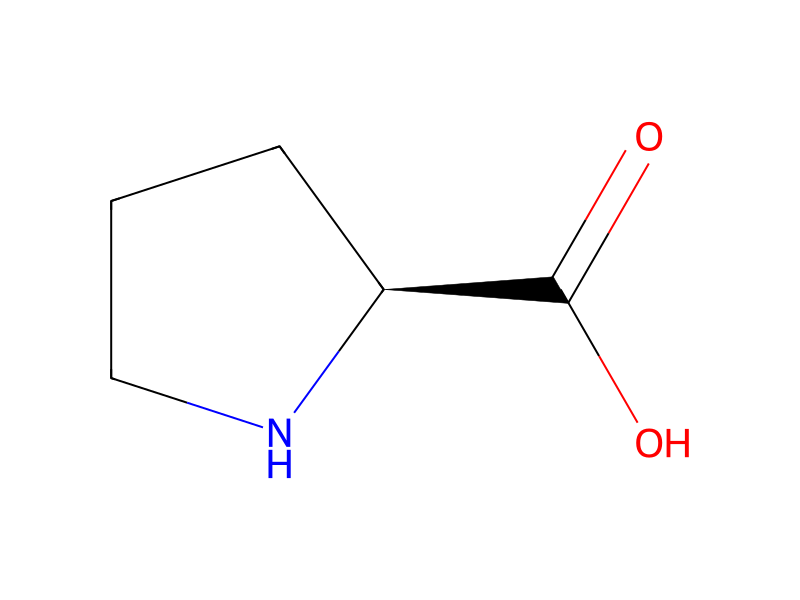
[Br:1][C:2]1[CH:10]=[C:9]2[C:5]([CH:6]=[CH:7][NH:8]2)=[CH:4][CH:3]=1.I[C:12]1[CH:17]=[CH:16][C:15]([O:18][CH2:19][CH3:20])=[CH:14][CH:13]=1.C(=O)([O-])[O-].[K+].[K+].N1CCC[C@H]1C(O)=O>CS(C)=O.[Cu]I.O>[Br:1][C:2]1[CH:10]=[C:9]2[C:5]([CH:6]=[CH:7][N:8]2[C:12]2[CH:17]=[CH:16][C:15]([O:18][CH2:19][CH3:20])=[CH:14][CH:13]=2)=[CH:4][CH:3]=1A solution of 1.0 g (5 mmol) of 6-bromo-1H-indole, 1.06 g (4.15 mmol) of 4-iodophenetole, 1.45 g of potassium carbonate, 38.1 mg of copper(I) iodide and 42 mg of L-proline in 15 ml of dimethyl sulfoxide is heated at 120° C. for 15 hours. The reaction mixture is then cooled to room temperature, 30 ml of water are added, and the mixture is extracted three times with 20 ml of ethyl acetate each time. After the combined organic phases have been dried over sodium sulfate, the solvent is stripped off in a rotary evaporator, and the crude product is purified by column chromatography on silica gel (n-heptane/ethyl acetate 98:2), giving 0.74 g of 6-bromo-1-(4-ethoxyphenyl)-1H-indole as brownish resin; LC/MS: 317 (M+H).
Wird geladen…