P-Cymene → HCID 22393249, Verbindung
Reaktionsgleichung

[Cl-].[Al+3].[Cl-].[Cl-].[CH3:5][C:6]1[CH:7]=[CH:8][C:9]([CH:12]([CH3:14])[CH3:13])=[CH:10][CH:11]=1.[C:15](Cl)(=[O:19])[C:16]([CH3:18])=[CH2:17]>C(=S)=S>[CH3:17][CH:16]1[CH2:18][C:10]2[C:11](=[C:6]([CH3:5])[CH:7]=[CH:8][C:9]=2[CH:12]([CH3:14])[CH3:13])[C:15]1=[O:19]Komponenten
5
Edukt 3

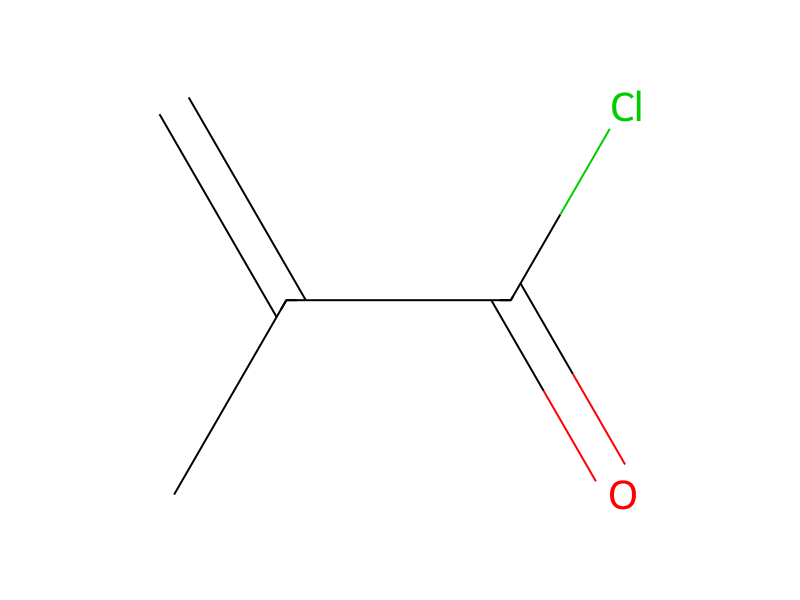

Produkt 1

Reagenzien, Katalysatoren, Lösungsmittel 1

Versuchsvorschrift
In a 1-liter three-necked flask equipped with a 200 ml dropping funnel were charged 87.61 g (0.66 mol) of anhydrous aluminum chloride and 150 ml of carbon disulfide, to which were added at room temperature through a dropping funnel p-cymene (47.0 ml, 0.301 mol) and methacryloyl chloride (33.0 ml, 0.338 mol) diluted with 30 ml of carbon disulfide. After stirring at room temperature for 5 hours, the reaction mixture was slowly poured on 1 kg of ice. After extraction of the reaction mixture with diethyl ether, the resulting organic layer was washed with an aqueous saturated solution of sodium hydrogen carbonate and with saline, and dried over sodium sulfate. Sodium sulfate was removed by filtration and the solvent was distilled off under reduced pressure.