Triethylamine → HCID 66744383, Verbindung
HRID 1959437
Reaktionsgleichung

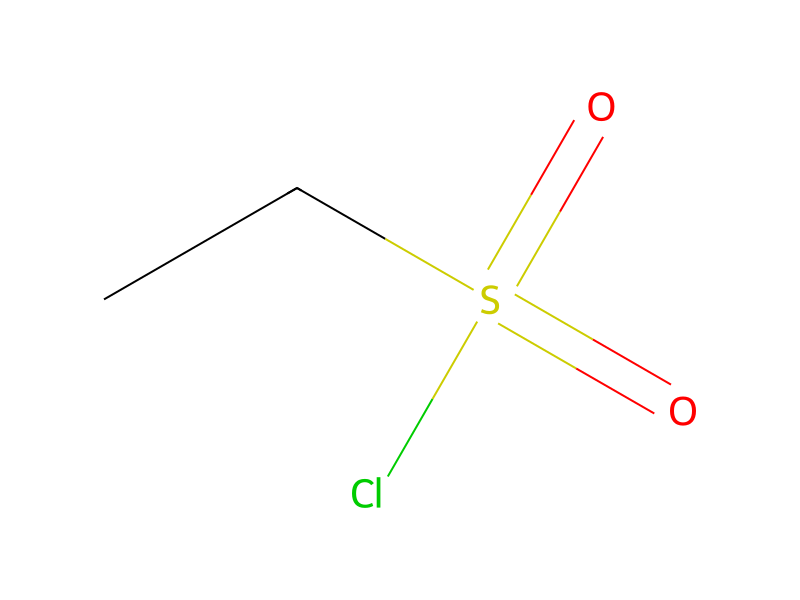
C(N(CC)CC)C.[CH2:8]([S:10](Cl)(=[O:12])=[O:11])[CH3:9].[CH:14]12[NH:21][CH:18]([CH2:19][CH2:20]1)[CH2:17][N:16]([C:22]([O:24][CH2:25][CH:26]1[C:38]3[CH:37]=[CH:36][CH:35]=[CH:34][C:33]=3[C:32]3[C:27]1=[CH:28][CH:29]=[CH:30][CH:31]=3)=[O:23])[CH2:15]2>>[CH2:8]([S:10]([N:21]1[CH:18]2[CH2:19][CH2:20][CH:14]1[CH2:15][N:16]([C:22]([O:24][CH2:25][CH:26]1[C:38]3[CH:37]=[CH:36][CH:35]=[CH:34][C:33]=3[C:32]3[C:27]1=[CH:28][CH:29]=[CH:30][CH:31]=3)=[O:23])[CH2:17]2)(=[O:12])=[O:11])[CH3:9]Komponenten
4



Versuchsvorschrift
To the solution of (9H-fluoren-9-yl)methyl 3,8-diazabicyclo[3.2.1]octane-3-carboxylate in DCM (2 mL) from step 2 was added triethylamine (100 mg, 138 μL, 1.0 mmol) and ethanesulfonyl chloride (190 mg, 140 μL, 1.4 mmol). The reaction mixture was stirred for 16 h. The reaction mixture was washed with 50% saturated bicarbonate solution and brine. The organic layer was dried over Na2SO4, filtered and concentrated in vacuo to obtain (9H-fluoren-9-yl)methyl 8-(ethylsulfonyl)-3,8-diazabicyclo[3.2.1]octane-3-carboxylate, which was used directly for the next step. LC/MS m/z 427.5 [M+H]+.