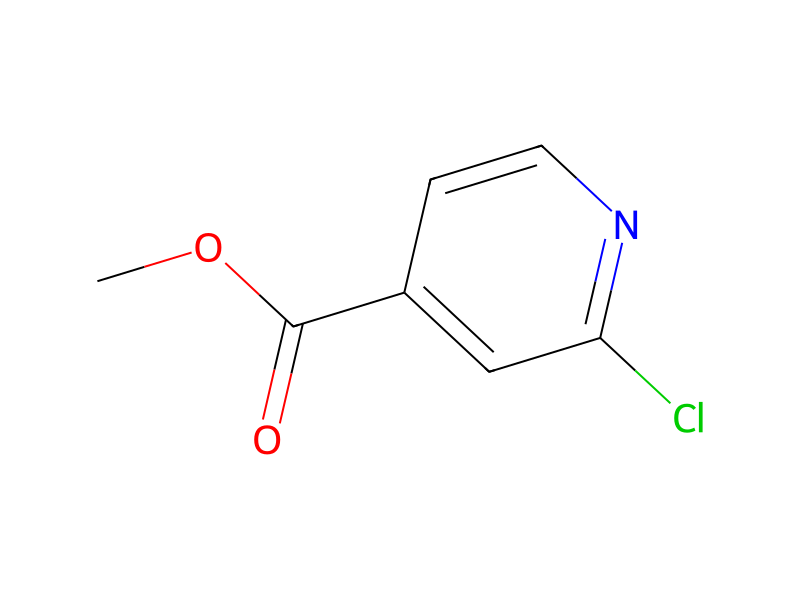
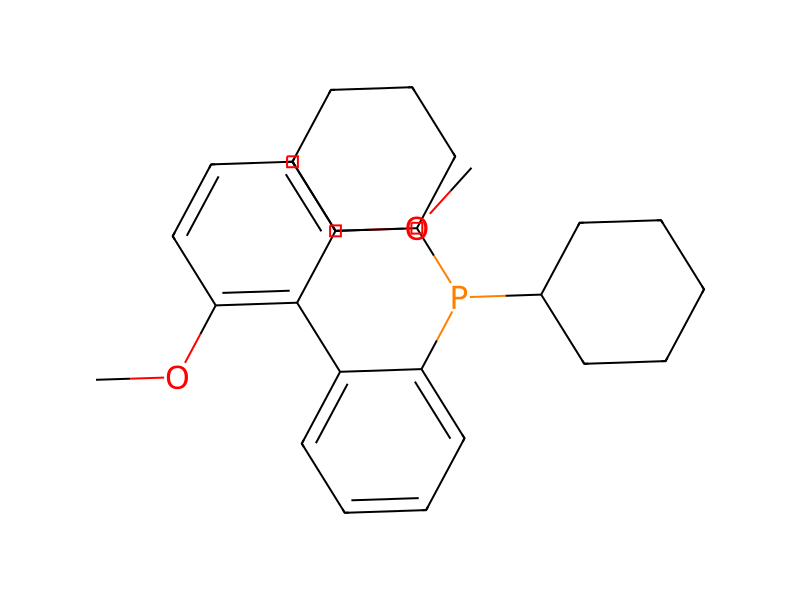
CN(C=O)C.P([O-])([O-])([O-])=O.[K+].[K+].[K+].Cl[C:15]1[CH:20]=[C:19]([C:21]([O:23][CH3:24])=[O:22])[CH:18]=[CH:17][N:16]=1.[CH2:25](B1C2CCCC1CCC2)[C:26]1[CH:31]=[CH:30][CH:29]=[CH:28][CH:27]=1>C([O-])(=O)C.[Pd+2].C([O-])(=O)C.C1(P(C2CCCCC2)C2C=CC=CC=2C2C(OC)=CC=CC=2OC)CCCCC1.CC(=O)OCC>[CH2:25]([C:15]1[CH:20]=[C:19]([C:21]([O:23][CH3:24])=[O:22])[CH:18]=[CH:17][N:16]=1)[C:26]1[CH:31]=[CH:30][CH:29]=[CH:28][CH:27]=1To 35 ml of anhydrous DMF under argon in a sealed tube were added tripotassium phosphate (9.28 g, 43.71 mmol), 2-dicyclohexylphosphino-2′,6′-dimethoxy-biphenyl (SPhos, 0.239 g, 0.58 mmol), palladium(II) acetate (0.065 g, 0.29 mmol) and then methyl 2-chloro-pyridine-4-carboxylate (2.50 g, 14.57 mmol) and B-benzyl-9-borabicyclo[3.3.1]nonane (6.80 g, 32.05 mmol). The mixture was heated overnight at 60° C. After cooling to room temperature, the mixture was diluted into 200 ml of EA, the solution washed three times with 100 ml of a 1 N sodium hydroxide solution and twice with 100 ml of brine. The organic phase was dried over sodium sulfate, filtered and evaporated to dryness under reduced pressure. The residue was then purified by chromatography on silica gel (cyclohexane/EA, 100:0, then 80:20) to give 2.784 g of the title compound as an orange oil.