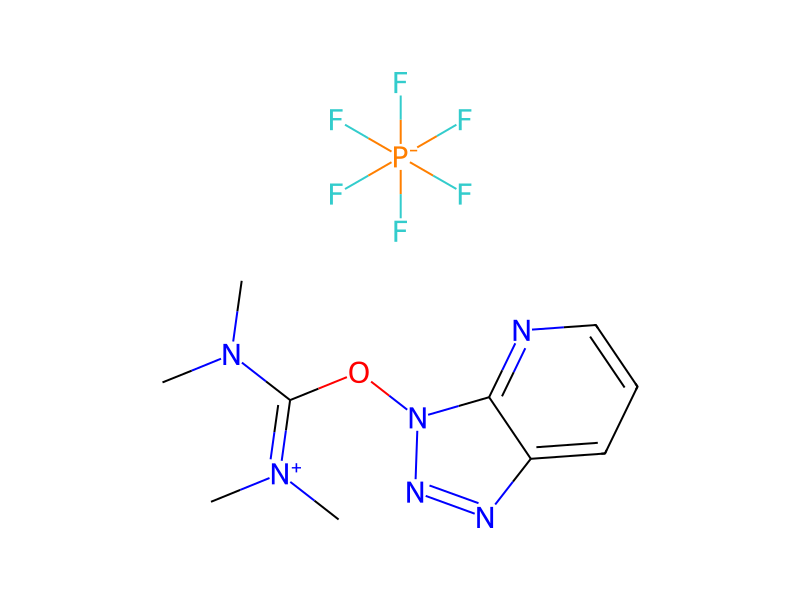
Commercially available 6-chloro-5-methylnicotinic acid (200 mg, 1.29 mmol) was dissolved in dichloromethane (7.0 mL), and azetidine hydrochloride (160 mg, 1.71 mmol), HATU (1000 mg, 2.63 mmol) and N,N-diisopropylethylamine (0.69 mL, 3.96 mmol) were added, followed by stirring at room temperature overnight under nitrogen atmosphere. 0.5N hydrochloric acid (30 mL) was added, and extraction was carried out with dichloromethane (30 mL). The organic layer was washed with saturated brine, and subsequently dried over anhydrous magnesium sulfate. The solvent was distilled off under reduced pressure, and the resulting residue was purified using silica gel column chromatography (elution solvent: ethyl acetate/hexane=60%-75%) to afford the desired compound (160 mg, yield 64%) as a colorless liquid.