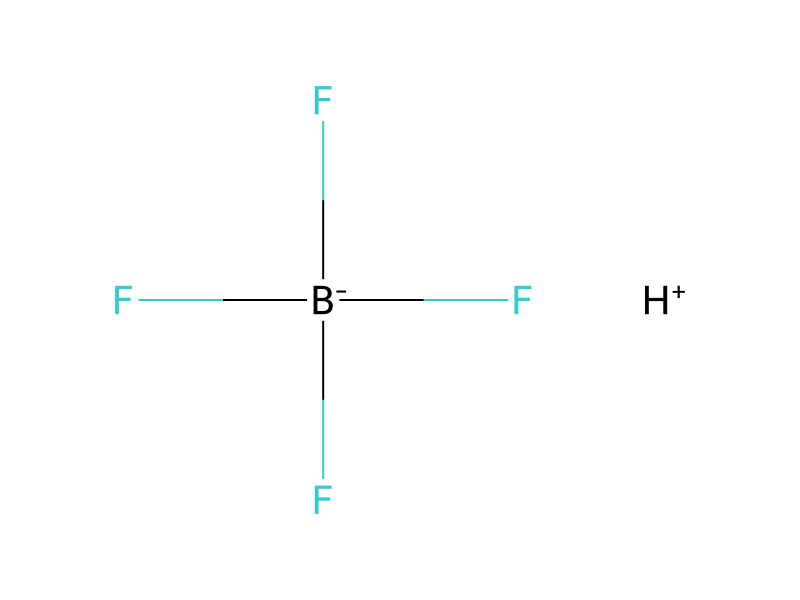
[CH3:1][Si](C=[N+]=[N-])(C)C.[OH:8][CH2:9][C:10]1([N:19]2[C:27](=[O:28])[C:26]3[C:21](=[CH:22][CH:23]=[CH:24][CH:25]=3)[C:20]2=[O:29])[CH2:18][C:17]2[C:12](=[CH:13][CH:14]=[CH:15][CH:16]=2)[CH2:11]1.F[B-](F)(F)F.[H+].O>C(Cl)Cl>[CH3:1][O:8][CH2:9][C:10]1([N:19]2[C:20](=[O:29])[C:21]3[C:26](=[CH:25][CH:24]=[CH:23][CH:22]=3)[C:27]2=[O:28])[CH2:11][C:12]2[C:17](=[CH:16][CH:15]=[CH:14][CH:13]=2)[CH2:18]1(Trimethylsilyl)diazomethane (2 M hexanes, 0.51 ml, 1.03 mmol) is added dropwise to a cooled (0° C.) solution of 2-(2-hydroxymethylindan-2-yl)-isoindole-1,3-dione (0.150 g, 0.511 mmol) and fluoroboric acid (48% aqueous, 93.5 μl, 0.511 mmol) in CH2Cl2 (4 ml). The reaction is stirred for 20 minutes, then three further portions of (trimethylsilyl)diazomethane (2 M hexanes, 0.128 ml, 0.25 mmol; 64 μl, 0.12 mol; 64 μl, 0.12 mmol)) are made at 20 minute intervals. The reaction is stirred for a further 40 minutes after the final addition, poured into water and extracted with dichloromethane. The organic phase is washed with brine, dried (MgSO4) and evaporated. The crude product is purified by flash chromatography (CH2Cl2 elution) to afford 2-(2-methoxymethylindan-2-yl)-isoindole-1,3-dione, MH+308.