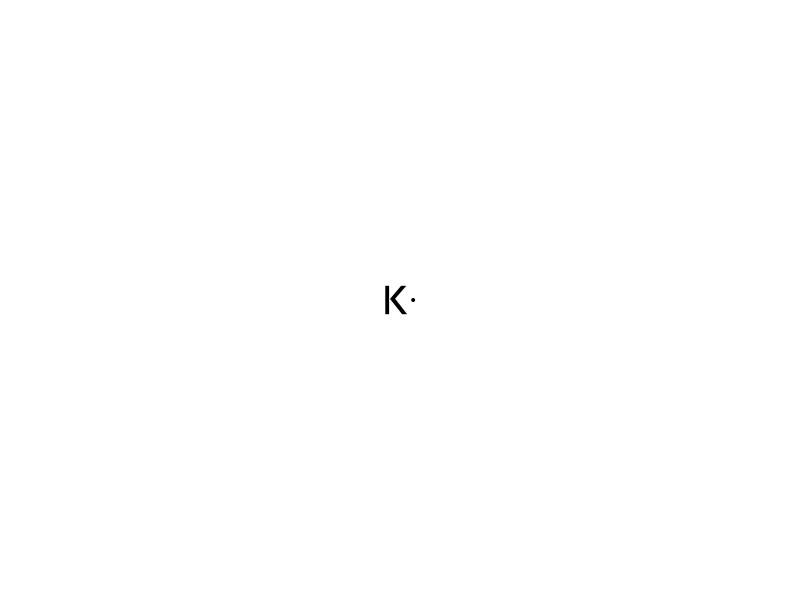
Potassium → N-[2-(2-methyl-5-nitro-1-imidazolyl)ethyl]-acenaphthene-1,2-dicarboximide
Reaktionsgleichung

[CH:1]12[C:15](=[O:16])[NH:14][C:13](=[O:17])[CH:2]1[C:3]1[C:12]3[C:7](=[CH:8][CH:9]=[CH:10][C:11]2=3)[CH:6]=[CH:5][CH:4]=1.[K].S(C1C=CC(C)=CC=1)(O)(=O)=O.O[CH2:31][CH2:32][N:33]1[C:37]([N+:38]([O-:40])=[O:39])=[CH:36][N:35]=[C:34]1[CH3:41]>O>[CH3:41][C:34]1[N:33]([CH2:32][CH2:31][N:14]2[C:13](=[O:17])[CH:2]3[C:3]4[C:12]5[C:7](=[CH:8][CH:9]=[CH:10][C:11]=5[CH:1]3[C:15]2=[O:16])[CH:6]=[CH:5][CH:4]=4)[C:37]([N+:38]([O-:40])=[O:39])=[CH:36][N:35]=1Komponenten
5