Methane → 1-allyloxycarbonylamino-2-(N-allyloxycarbonylaminomethyl)butan-3-ol
HRID 1975475
Reaktionsgleichung

[CH2:1]([O:8][C:9]([N:11]1[CH2:15][CH:14]([CH:16]([OH:18])[CH3:17])[CH2:13][N:12]1[C:19]([O:21][CH2:22][C:23]1C=CC=C[CH:24]=1)=[O:20])=[O:10])[C:2]1C=CC=C[CH:3]=1.C>CO>[CH2:22]([O:21][C:19]([NH:12][CH2:13][CH:14]([CH2:15][NH:11][C:9]([O:8][CH2:1][CH:2]=[CH2:3])=[O:10])[CH:16]([OH:18])[CH3:17])=[O:20])[CH:23]=[CH2:24]Komponenten
4
Edukt 2
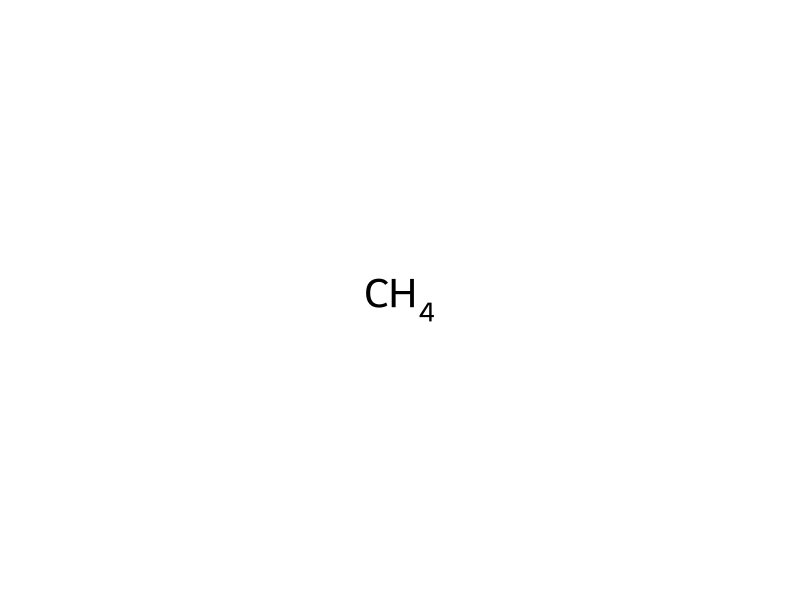

Produkt 1

Reagenzien, Katalysatoren, Lösungsmittel 1

Versuchsvorschrift
1,2-Bis(benzyloxycarbonyl)-4-(1-hydroxyethyl)pyrazolidine (100 g) in methanol (900 ml) was treated with activated charcoal at room temperatures for 30 minutes. After removing activated charcoal platinum oxide (22 g) was added under nitrogen atmosphere. The suspension was stirred under hydrogen atmosphere for 17 hours. After the starting material and mono(benzyloxycarbonyl) compound was disappeared. The catalyst was filtered off under nitrogen atmosphere. The cake was washed with water (300 ml) and combined aqueous metanol layer was evaporated under reduced pressure. The pH of the residue and tetrahydrofuran (500 ml) was adjusted to 8.0 with 4N aqueous sodium hydroxide and allyl chloroformate was added dropwise while keeping pH at 8.0-9.0 with 4N aqueous sodium hydroxide in an ice-bath. After stirring for 1 hour at pH 8.0-8.3, the reaction mixture was extracted three times with ethyl acetate (250 ml×1 and 100 ml×2). The combined organic layer was washed with 1N hydrochloric acid, saturated sodium bicarbonate, and 10% sodium chloride, dried over magnesium sulfate and evaporated under reduced pressure. The residue was calumn chromatographed on silica gel to give 1-allyloxycarbonylamino-2-(N-allyloxycarbonylaminomethyl)butan-3-ol (72.88 g).