StartseiteMCPWorkbenchSkills
StartseiteWorkbenchBenachrichtigungenMein Bereich
llms.txt · MCP-AnleitungDatenschutz · Nutzungsbedingungen · Supportv1.8.3
  1. Startseite
  2. /Reaktion

Bromine → 4-Bromo-5-methoxy-2-(trifluoromethyl)pyridine

HRID 1976070
Drucken

Reaktionsgleichung

Reaktionsgleichung von HRID 1976070
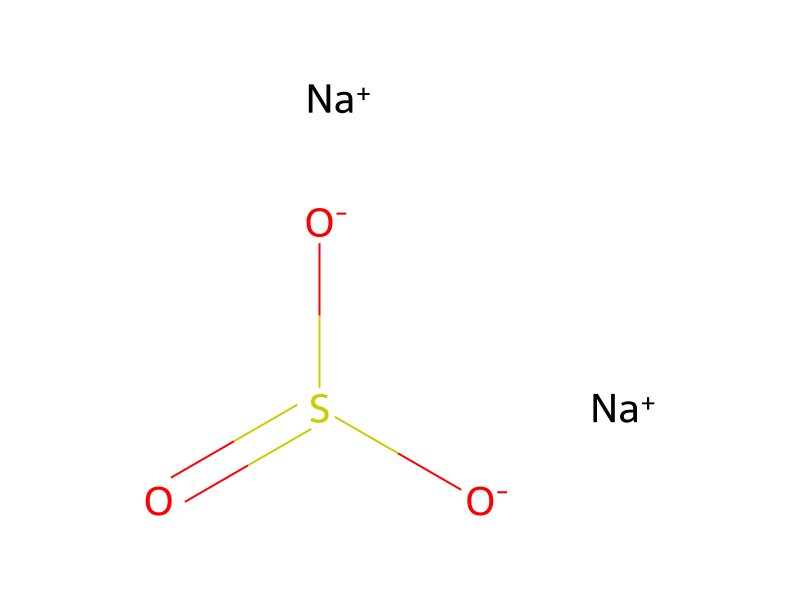
[Br:1]Br.[CH3:3][O:4][C:5]1[CH:6]=[N:7][C:8]([C:15]([F:18])([F:17])[F:16])=[CH:9][C:10]=1[Sn](C)(C)C.[O-]S([O-])=O.[Na+].[Na+]>ClCCl>[Br:1][C:10]1[CH:9]=[C:8]([C:15]([F:18])([F:17])[F:16])[N:7]=[CH:6][C:5]=1[O:4][CH3:3]
KomponentenVersuchsvorschriftAufarbeitungQuellen und NachweiseNotizen zur Reaktion

Komponenten

5

Edukt 3

HCID 24408BromineHCID 24437Sodium SulfiteHCID 220002063-Methoxy-6-trifluoromethyl-4-trimethylstannylpyridine

Produkt 1

HCID 220001724-Bromo-5-methoxy-2-(trifluoromethyl)pyridine

Reagenzien, Katalysatoren, Lösungsmittel 1

HCID 6344DichloromethaneLösungsmittel

Versuchsvorschrift

Bromine (0.52 ml, 10 mmol) was added via syringe to a stirred solution of 3-methoxy-6-trifluoromethyl-4-trimethylstannylpyridine (1.7 g, 5 mmol) in dichloromethane (25 ml). The reaction mixture was stirred for 30 min at room temperature and treated with saturated aqueous Na2SO3 (15 ml). The phases were separated. The aqueous layer was extracted with dichloromethane (2×15 ml). The combined organic extracts were dried (Na2SO4) and concentrated. The residue was purified by chromatography on silica gel (hexane:ethyl acetate 0-15%) to afford 4-bromo-3-methoxy-6-trifluoromethylpyridine as a white solid.

Aufarbeitung

  1. customThe phases were separated
  2. extractionThe aqueous layer was extracted with dichloromethane (2×15 ml)
  3. dry with materialThe combined organic extracts were dried (Na2SO4)
  4. concentrationconcentrated
  5. customThe residue was purified by chromatography on silica gel (hexane:ethyl acetate 0-15%)

Quellen und Nachweise

ORD-Eintrag
ord-76f1a9e0d81749c380c2edc295b15b35
Quelldatensatz
uspto-grants-2001_05
DOI
10.6084/m9.figshare.5104873.v1
Patentnummer
US06225320B1

Notizen zur Reaktion

Auf dieser SeiteKomponentenVersuchsvorschriftAufarbeitungQuellen und NachweiseNotizen zur Reaktion