Sorbitol → Mono-p-methylbenzylidene sorbitol
HRID 1979967
Reaktionsgleichung

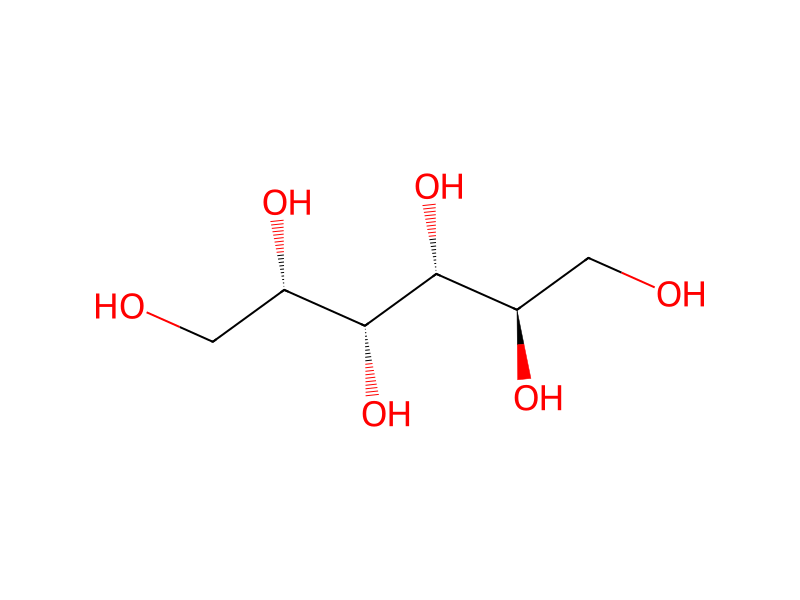
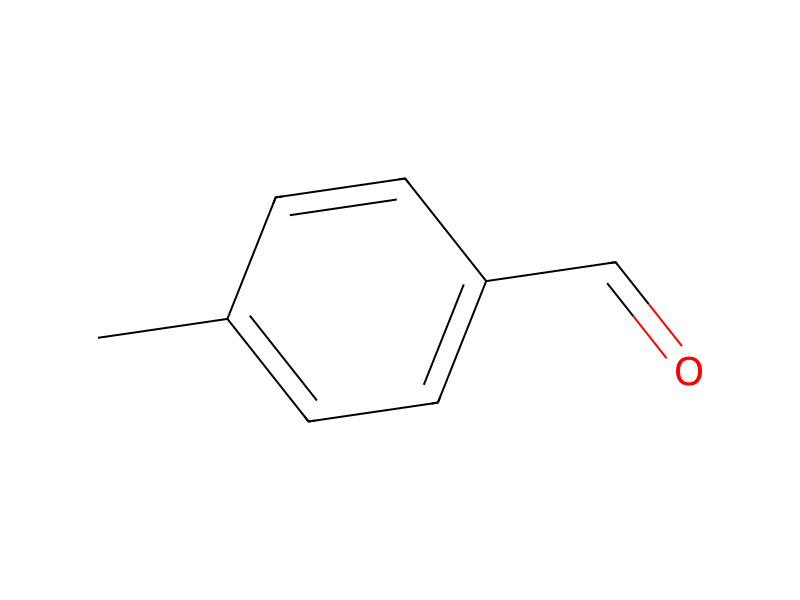
[CH3:1][C:2]1[CH:9]=[CH:8][C:5]([CH:6]=O)=[CH:4][CH:3]=1.[OH:10][CH2:11][C@@H:12]([C@H:14]([C@@H:16]([C@@H:18]([CH2:20][OH:21])[OH:19])[OH:17])[OH:15])[OH:13].C1(C)C=CC(S(O)(=O)=O)=CC=1>>[CH3:1][C:2]1[CH:9]=[CH:8][C:5]([CH:6]=[C:20]([C@@H:18]([C@H:16]([C@@H:14]([C@@H:12]([CH2:11][OH:10])[OH:13])[OH:15])[OH:17])[OH:19])[OH:21])=[CH:4][CH:3]=1Komponenten
4


Versuchsvorschrift
A reactor was charged with 120 g (1 mole) of p-methylbenzaldehyde, 270 g (1 mole) of a 70% aqueous solution of D-sorbitol and 10 g of p-toluenesulfonic acid, and they were reacted at 35° C. with stirring. Shortly, a large amount of fine white crystals precipitated in the mixture within the reactor, and became creamy in 45 minutes. The torque of the stirrer became about three times as high as that at the start of the reaction. At this time, the amount of mono-p-methylbenzylidene sorbitol formed was 43% of theory.