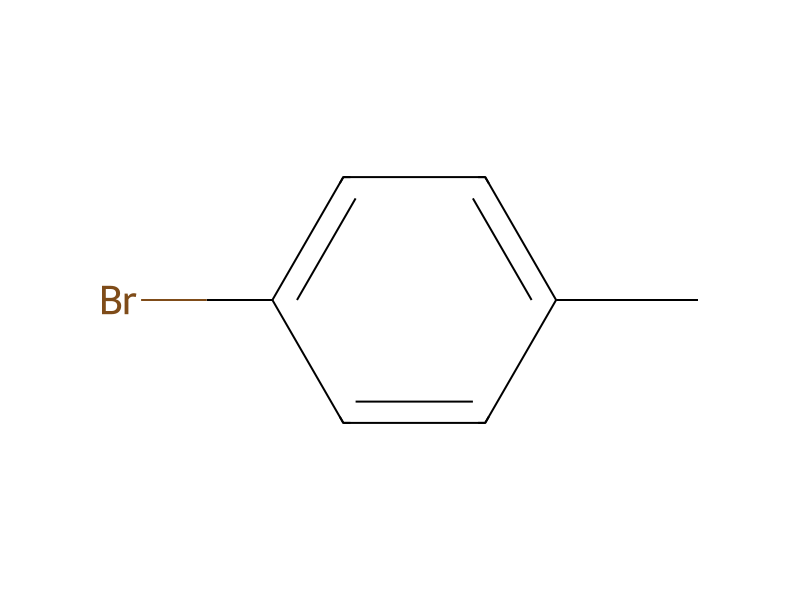
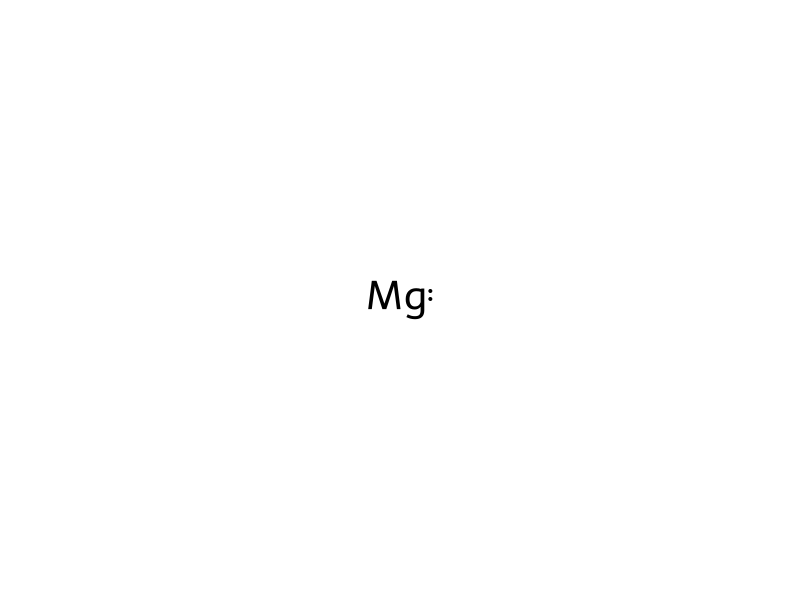
In a stream of nitrogen, a solution of magnesium (58.41 g, 3.48 equivalents), a slight amount of iodine and 1,2-dibromoethane in tetrahydrofuran (400 mL) was stirred at room temperature for 1 hour. After addition of a solution of p-bromotoluene (411.11 g, 3.48 equivalents) in tetrahydrofuran (2000 mL) at 22° C., the mixture was stirred at 40° C. for 1 hour. Then, after addition of a solution of diethyl phosphite (94.76 g, 0.69 mol) in tetrahydrofuran (160 mL) at 20° C., the mixture was stirred at 24° C. for 30 minutes. 6M-HCl (320 mL) was added thereto at 4° C., followed by further addition of water (320 mL) and toluene (1000 mL), and the resulting mixture was stirred at a room temperature for 30 minutes. The reaction mixture was separated into layers, and the organic layer was successively washed with water (320 mL), an aqueous 5% NaHCO3 solution (320 mL) and an aqueous 5% NaCl solution (320 mL). The organic layer was filtered under reduced pressure, and the filtrate was concentrated under reduced pressure. The residue was recrystallized from n-hexane and dried (under reduced pressure at 40° C.) to obtain the titled compound (87.12 g, white powder). The yield was 54.8%.