Hydrochloric Acid → 1-(2-methylpropyl)-2-propyl-2H-pyrazolo[3,4-c][1,8]naphthyridin-4-amine
HRID 1984350
Reaktionsgleichung

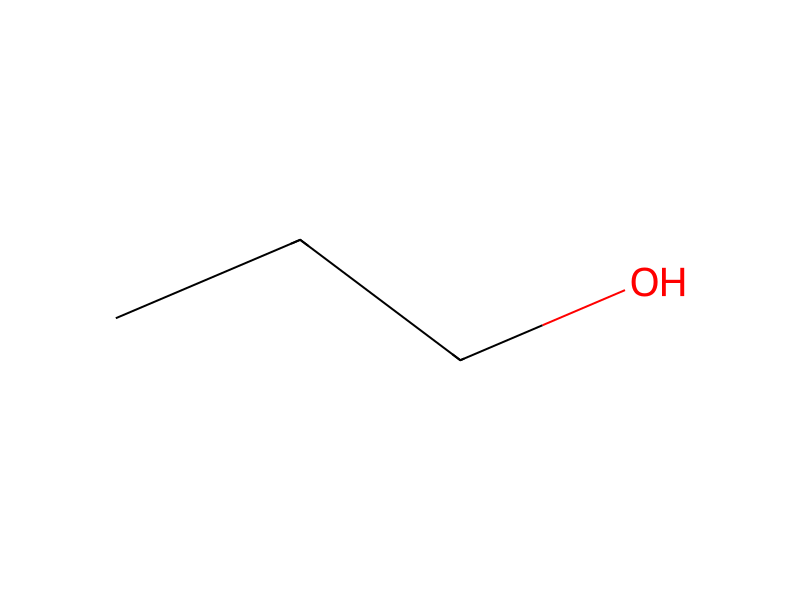
C(OC([NH:8]C1C(B(O)O)=CC=CN=1)=O)(C)(C)C.Cl.C(=O)([O-])[O-].[Na+].[Na+].[CH3:25][CH:26]([CH3:45])[CH2:27][C:28]1[N:29]([CH2:42][CH2:43][CH3:44])[N:30]=[C:31]2[C:40]=1[C:39]1[CH:38]=[CH:37][CH:36]=C[C:34]=1[N:33]=[C:32]2[NH2:41].C1(P(C2C=CC=CC=2)C2C=CC=CC=2)C=CC=CC=1>C(O)CC.C1(C)C=CC=CC=1.C([O-])(=O)C.[Pd+2].C([O-])(=O)C>[CH3:25][CH:26]([CH3:45])[CH2:27][C:28]1[N:29]([CH2:42][CH2:43][CH3:44])[N:30]=[C:31]2[C:40]=1[C:39]1[CH:38]=[CH:37][CH:36]=[N:8][C:34]=1[N:33]=[C:32]2[NH2:41]