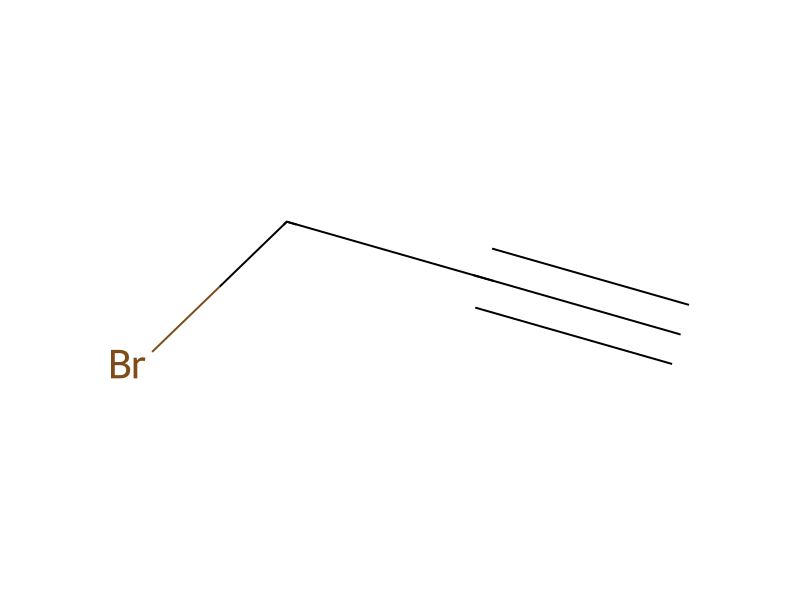
[NH:1]1[C:9]2[C:4](=[CH:5][CH:6]=[CH:7][CH:8]=2)[C:3]([CH2:10][CH:11]([O:17][CH:18]([CH3:20])[CH3:19])[C:12]([O:14][CH2:15][CH3:16])=[O:13])=[CH:2]1.[H-].[Na+].[CH2:23](Br)[C:24]#[CH:25].[Cl-].[NH4+]>CN(C)C=O.O>[CH:18]([O:17][CH:11]([CH2:10][C:3]1[C:4]2[C:9](=[CH:8][CH:7]=[CH:6][CH:5]=2)[N:1]([CH2:25][C:24]#[CH:23])[CH:2]=1)[C:12]([O:14][CH2:15][CH3:16])=[O:13])([CH3:19])[CH3:20]0.23 g of Ethyl 3-(1H-indol-3-yl)-2-isopropoxypropionate was dissolved in 5 ml of N,N-dimethylformamide, and 34 mg of 60% sodium hydride was added under ice-cooling. The reaction solution was stirred for 30 minutes under ice-cooling, then 0.09 ml of propargyl bromide was added, and stirring was continued at room temperature for 16 hours. The reaction solution was cooled with ice, treated with water and ammonium chloride solution, and extracted with ethyl acetate. The organic layer was washed with saturated brine, dried over anhydrous magnesium sulfate, and evaporated. The residue was subjected to silica gel column chromatography (9% ethyl acetate-hexane), to give 0.18 g of the title compound.