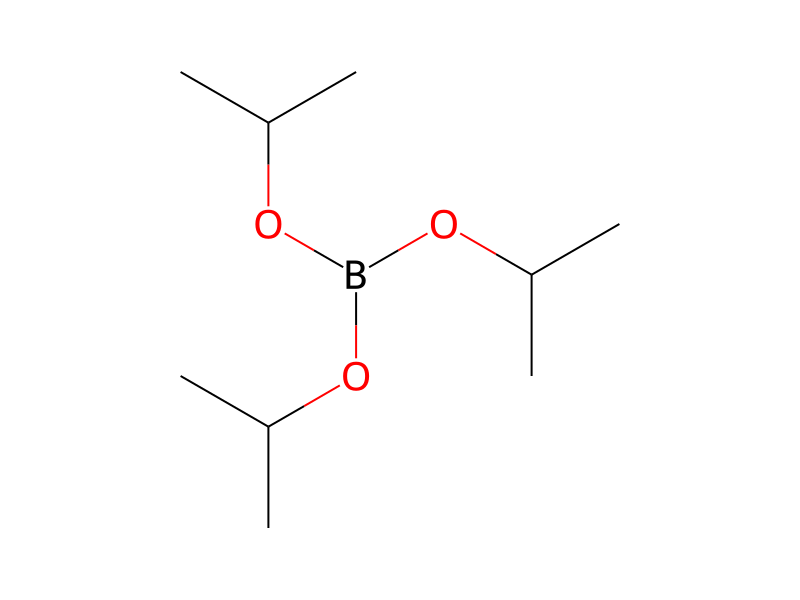
[CH3:1][S:2][C:3]1[CH:4]=[CH:5][C:6]2[CH:10]=[CH:9][S:8][C:7]=2[CH:11]=1.C(OB(OC(C)C)OC(C)C)(C)C.C(NC(C)C)(C)C.[Li].C([O-])([O-])=O.[Na+].[Na+].[Cl:39][C:40]1[N:45]=[C:44](Cl)[C:43]([Cl:47])=[CH:42][N:41]=1>C1COCC1>[Cl:39][C:40]1[N:45]=[C:44]([C:9]2[S:8][C:7]3[CH:11]=[C:3]([S:2][CH3:1])[CH:4]=[CH:5][C:6]=3[CH:10]=2)[C:43]([Cl:47])=[CH:42][N:41]=1To a stirred solution of 6-methylsulfanylbenzo[b]thiophene (1.41 g, 7.82 mmol) and triisopropylborate (1.80 mL, 7.82 mmol) in THF (20 mL) at −78° C. under nitrogen is added lithium diisopropylamine (4.3 mL, 2 M solution). The reaction is allowed to slowly warm to room temperature. An aqueous solution of Na2CO3 (2.50 g, 23.5 mmol, in 11 mL of water) is added, followed by the addition of 2,4,5-trichloropyrimidine (1.58 g, 8.60 mmol) and [1,1-bis(diphenylphospheno)ferrocene]palladium (II) chloride (0.32 g, 0.39 mmol). The reaction mixture is heated at 60° C. under nitrogen for 1 hour. After being cooled to room temperature, the suspension is filtered and the solid is washed with water and ethyl acetate then dried under vacuum. The crude product is purified by chromatography on silica gel, eluting with dichloromethane:hexanes 2:8 to 3:7, to give the title product as a light yellow solid (0.19 g).