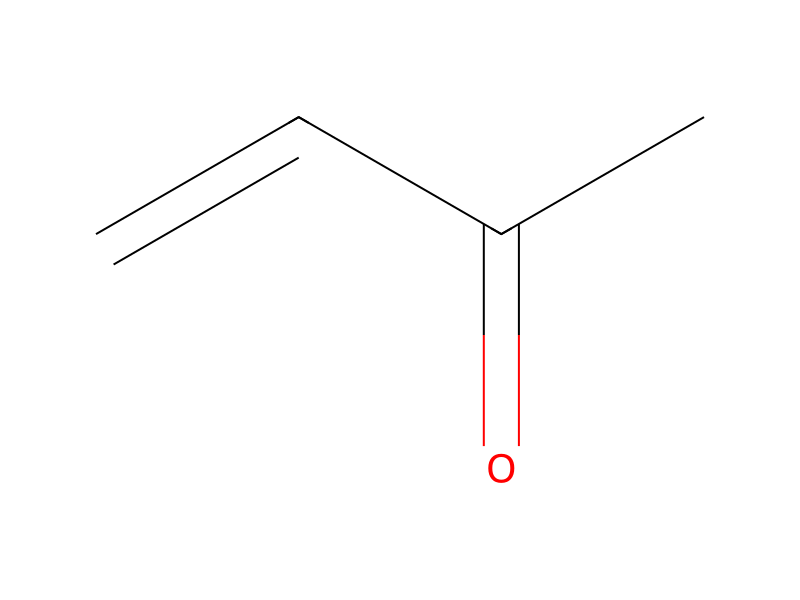
[NH2:1][C:2]1[CH:3]=[C:4]2[C:9](=[CH:10][CH:11]=1)[O:8][C:7]([CH3:13])([CH3:12])[CH:6]=[CH:5]2.[CH3:14][C:15]([CH:17]=[CH2:18])=O.[N+](C1C=C(S(O)(=O)=O)C=CC=1)([O-])=O.Cl>C(O)C.[Cl-].[Zn+2].[Cl-]>[CH3:12][C:7]1([CH3:13])[O:8][C:9]2=[CH:10][C:11]3[C:17]([CH3:18])=[CH:15][CH:14]=[N:1][C:2]=3[CH:3]=[C:4]2[CH:5]=[CH:6]1To a solution of 6-amino-2,2-dimethylchromene (10.1 g, 57.7 mmol) in ethanol (500 mL), methylvinylketone (33.0 mL, 404 mmol), m-nitrobenzenesulfonic acid (21.1 g, 104 mmol), zinc chloride (1.97 g, 14.4 mmol) and 35% hydrochloric acid (24 mL, 289 mmol) were added at room temperature and the resulting mixture was stirred at 110° C. for 5 hours. Upon the completion of the reaction, ethanol was distilled off, water was added, and the resulting solution was neutralized with sodium hydrogencarbonate and extracted with ethyl acetate. The resulting organic phase was washed with sodium chloride aqueous solution, and dried over anhydrous magnesium sulfate. After distilling off the solvent, the residue was purified by medium pressure column chromatography (hexane/ethyl acetate=3/1) and the aimed product was obtained (yield: 38%).
Wird geladen…