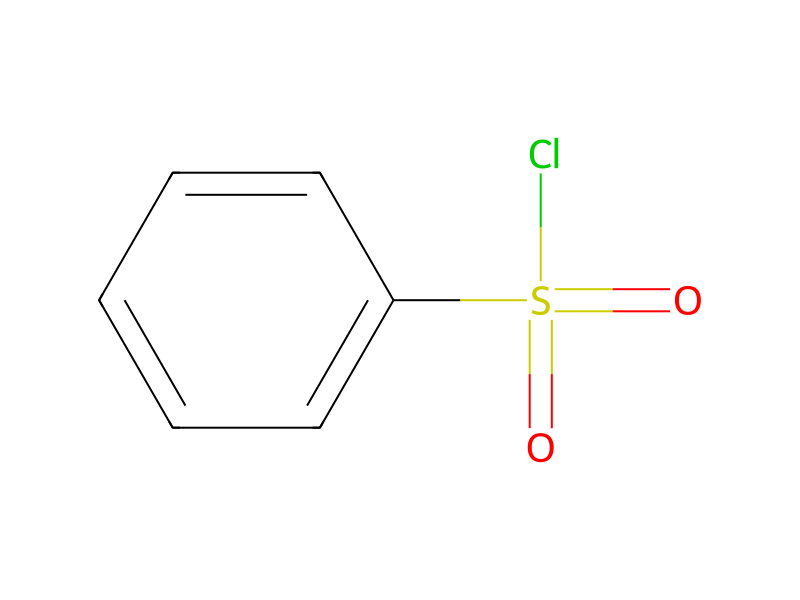
[Br:1][C:2]1[CH:3]=[C:4]2[CH2:10][CH2:9][NH:8][C:5]2=[N:6][CH:7]=1.[H-].[Na+].[C:13]1([S:19](Cl)(=[O:21])=[O:20])[CH:18]=[CH:17][CH:16]=[CH:15][CH:14]=1>CN(C)C(=O)C>[C:13]1([S:19]([N:8]2[C:5]3=[N:6][CH:7]=[C:2]([Br:1])[CH:3]=[C:4]3[CH2:10][CH2:9]2)(=[O:21])=[O:20])[CH:18]=[CH:17][CH:16]=[CH:15][CH:14]=1To a 0° C. stirred solution of 5-bromo-azaindoline 5 (150 mg, 0.75 mmol) in N,N-dimethylacetamide (7 mL) was added in one portion 60% dispersion of NaH in mineral oil (38 mg, 0.94 mmol). After 0.5 h benzenesulfonyl chloride (0.12 mL, 0.94 mmol) in N,N-dimethylacetamide (1 mL) was added dropwise, and the mixture allowed to slowly warm to r.t. After 2 days the mixture was partitioned between AcOEt-brine. The aqueous layer was extracted with AcOEt (2×). The combined organic solutions were dried (MgSO4), filtered and concentrated. The residue was purified by preparative TLC (PTLC) with CH2Cl2 as eluent to afford the azaindoline 6 (21 mg, 8%) as a solid. 1H NMR (400 MHz; CDCl3) δ 3.04 (t, J=8.6 Hz, 2H), 4.08 (t, J=8.6 Hz, 2H), 7.45-7.51 (m, 3H), 7.56-7.60 (m, 1H), 8.08 (m, 2H), 8.18 (m, 1H).
Wird geladen…