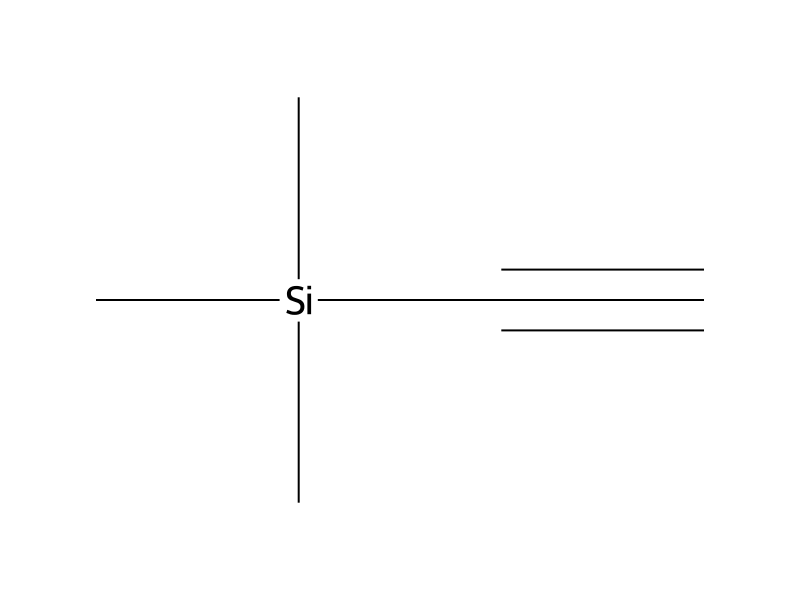
Alternatively, 2-ethynylbenzonitrile (a3) may be prepared according to the procedures set forth in M. J. Wu et al. (1999), Organic Letters, 1 (5):767-768, which is incorporated herein by reference in its entirety. Specifically, palladium-catalyzed coupling reaction of trimethylsilylacetylene with 1,2-diiodobenzene produced 2-(2-trimethylsilylethynyl)iodobenzene in 58% yield; 2-(2-trimethylsilylethynyl)iodobenzene was then coupled with Zn(CN)2 using palladium(0) as a catalyst to give 2-(2-trimethylsilylethynyl)benzonitrile in 45% yield; and finally, 2-(2-trimethylsilylethynyl)benzonitrile was treated with tetrabutylammonium fluoride to give 2-ethynylbenzonitrile (a3) in 97% yield.