Azanylidyneoxidanium → Phenol
HRID 2057362
Reaktionsgleichung

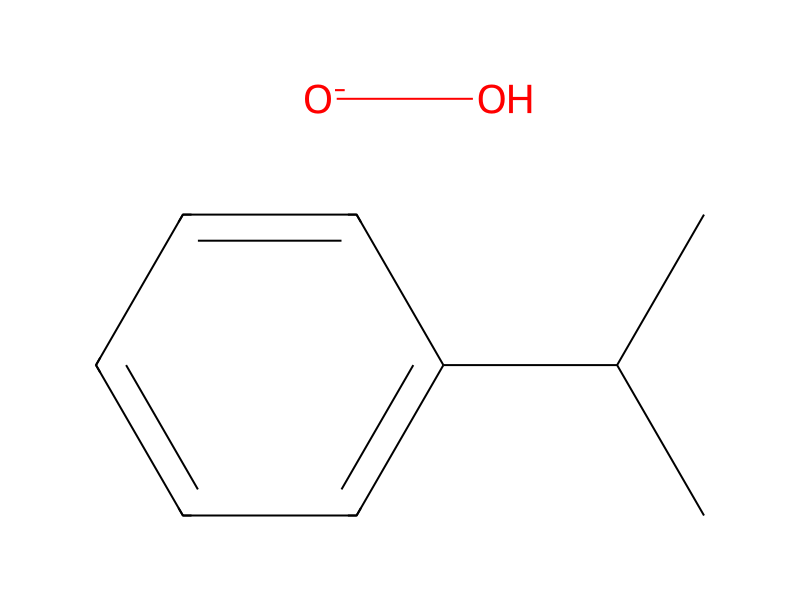
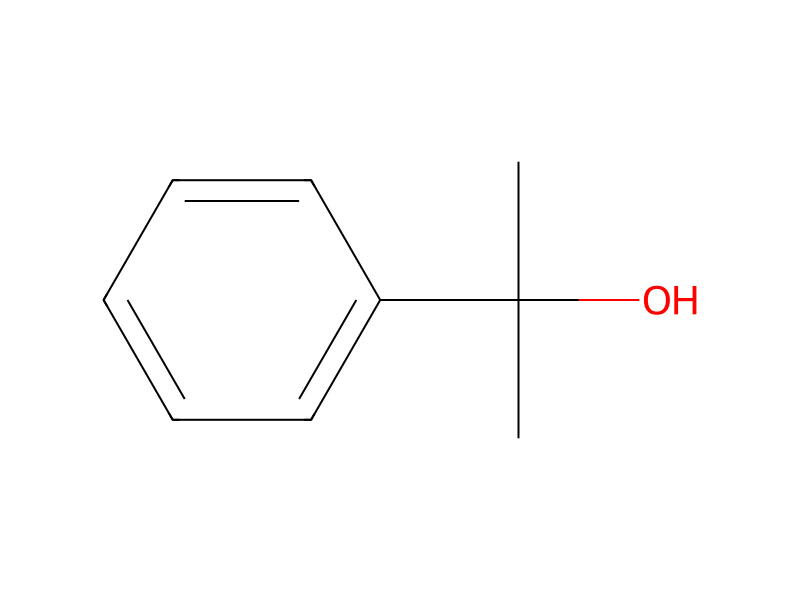
N#[O+:2].[O-]O.[C:5]1([CH:11]([CH3:13])[CH3:12])[CH:10]=[CH:9][CH:8]=[CH:7][CH:6]=1>>[C:5]1([OH:2])[CH:10]=[CH:9][CH:8]=[CH:7][CH:6]=1.[CH3:13][C:11]([C:5]1[CH:10]=[CH:9][CH:8]=[CH:7][CH:6]=1)=[CH2:12].[C:11]([C:5]1[CH:10]=[CH:9][CH:8]=[CH:7][CH:6]=1)(=[O:2])[CH3:13].[CH3:12][C:11]([OH:2])([CH3:13])[C:5]1[CH:10]=[CH:9][CH:8]=[CH:7][CH:6]=1Komponenten
6



Versuchsvorschrift
In this example 0.01 g. (455 ppm.) of nitrosonium hexachlorostibnate was added to the cumene hydroperoxide. The temperature rose to a maximum temperature of 90° C. and after five minutes the products were removed for analysis. The reaction resulted in a selectivity of 84 percent to phenol, 13 percent to alpha-methylstyrene, 3 percent to acetophenone and one percent to dimethylbenzyl alcohol.