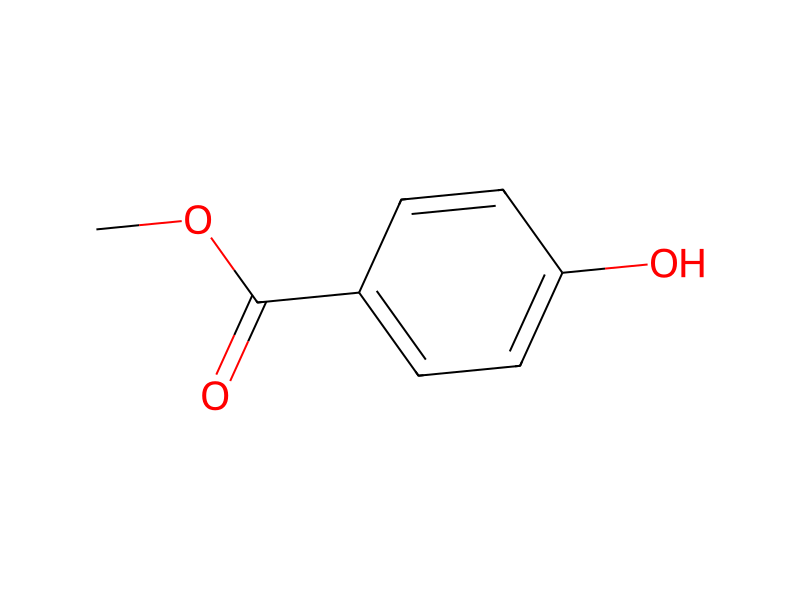
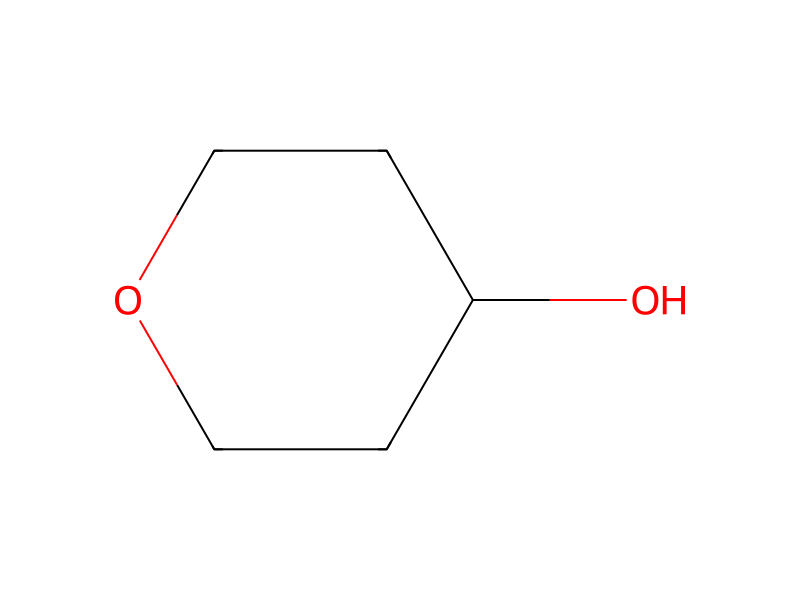
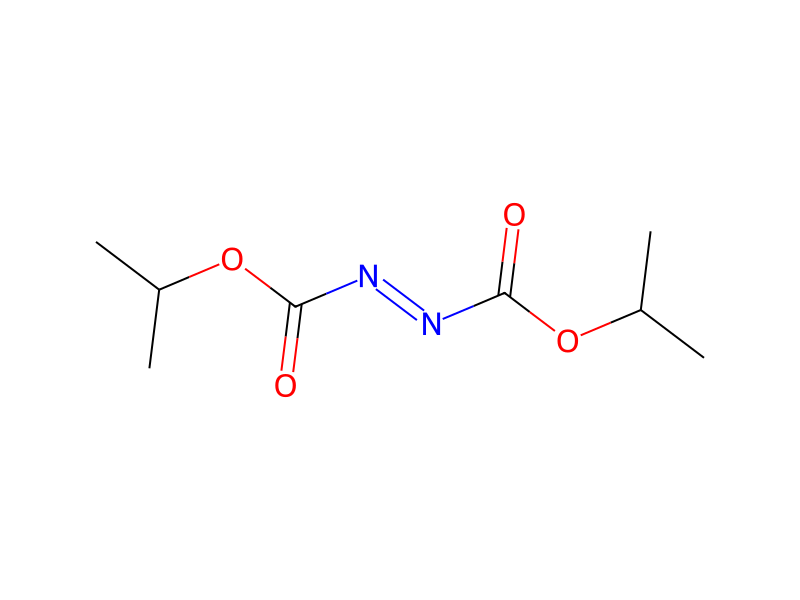
To a stirred solution of methyl 4-hydroxybenzoate (30 g, 197 mmol, 1.0 mole equivalents), tetrahydro-4-pyranol (24 ml, 251 mmol, 1.3 mole equivalents) and triphenylphosphine (78 g, 297 mmol, 1.5 mole equivalents) in tetrahydrofuran (600 ml) at room temperature, was added diisopropyl azodicarboxylate (58 ml, 298 mmol, 1.5 mole equivalents) over a period of 15 minutes. The reaction mixture was stirred for 24 hours at room temperature. Another portion of diisopropyl azodicarboxylate (5 ml) and tetrahydro-4-pyranol (2 ml) was added and the reaction mixture was stirred for another 2 hours at room temperature. The reaction mixture was then quenched by the addition of a saturated aqueous solution of sodium hydrogen carbonate (500 ml) and ethyl acetate (500 ml). The organic phase was washed with water (2×250 ml), dried (magnesium sulfate), and was then concentrated in vacuo to give the crude product, methyl 4-(tetrahydro-2H-pyran-4-yloxy)benzoate, as a thick yellow oil (182 g).