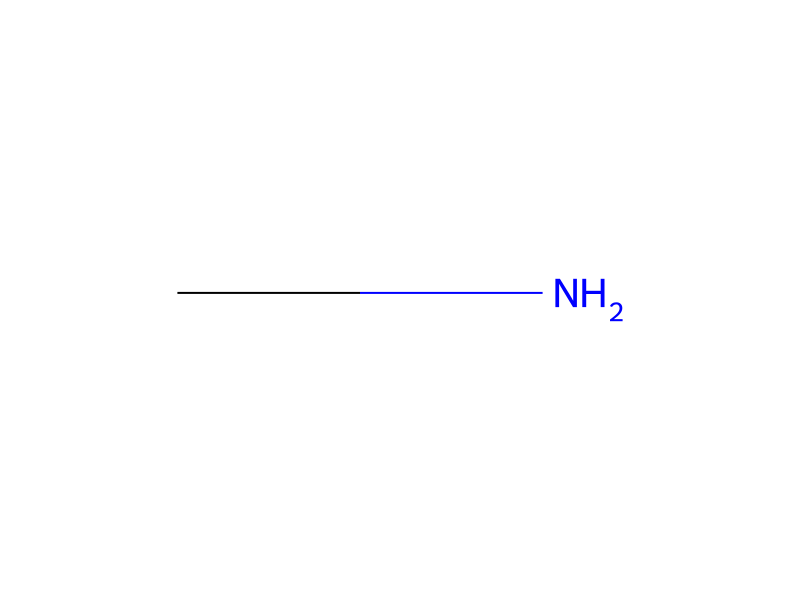
A solution of 200 g of 7-chloro-1,3-dihydro-5-(2-fluorophenyl)-2H-1,4-benzodiazepin-2-one in 2 liters of tetrahydrofuran and 250 ml of benzene was saturated with methylamine with cooling in an ice-bath. A solution of 190 g of titanium tetrachloride in 250 ml of benzene was added through a dropping funnel within 15 minutes. After completion of the addition, the mixture was stirred and refluxed for 3 hours. 600 ml of water were added slowly to the cooled mixture. The inorganic material was separated by filtration and was washed well with tetrahydrofuran. The water layer was separated and the organic phase dried over sodium sulphate and evaporated. The crystalline residue was collected to give 7-chloro-5-(2-fluorophenyl)-2-methylamino-3H-1,4-benzodiazepine of melting point 204°-206° C. An analytical sample was recrystallised from methylene chloride/ethanol and had a melting point of 204°-206° C.