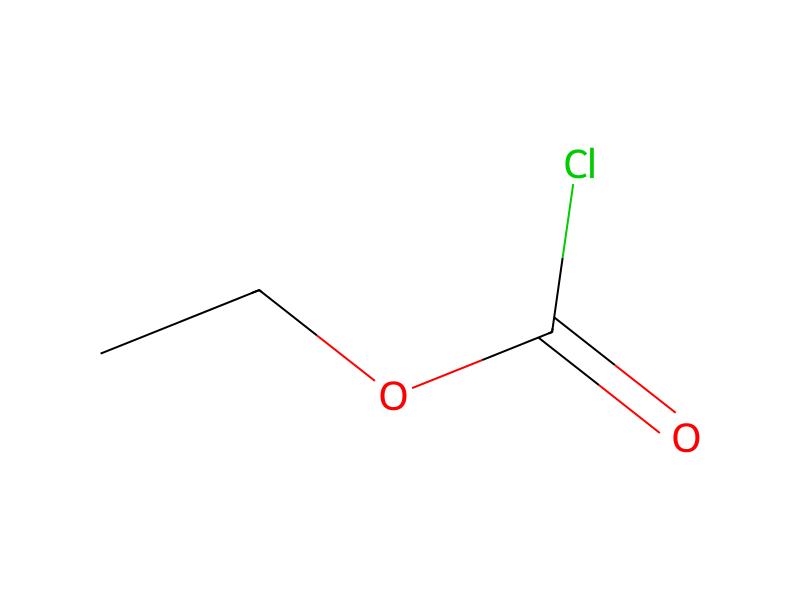
[OH:1][C:2]1[C:3]([N+:19]([O-:21])=[O:20])=[C:4]([C:9]([C:13]2[N:17]=[C:16]([CH3:18])[O:15][N:14]=2)=[CH:10][C:11]=1[OH:12])[C:5]([O:7][CH3:8])=[O:6].[C:22](Cl)(=[O:26])[O:23][CH2:24][CH3:25].C(=O)([O-])[O-].[K+].[K+].CN(C)C=O>C(OCC)(=O)C.O>[CH2:24]([O:23][C:22]([O:12][C:11]1[CH:10]=[C:9]([C:13]2[N:17]=[C:16]([CH3:18])[O:15][N:14]=2)[C:4]([C:5]([O:7][CH3:8])=[O:6])=[C:3]([N+:19]([O-:21])=[O:20])[C:2]=1[OH:1])=[O:26])[CH3:25]A mixture of methyl 3,4-dihydroxy-6-(5-methyl-[1,2,4]-oxadiazol-3-yl)-2-nitrobenzoate (compound 1-5) (50 mg), ethyl chlorocarbonate (0.02 mL), potassium carbonate (28 mg) and N,N-dimethylformamide (2 mL) was stirred at 50° C. for 3 hours. After cooling to room temperature, water and ethyl acetate were added to the mixture. The separated organic layer was washed with water and brine successively, dried over anhydrous magnesium sulfate, and concentrated under reduced pressure. The residue was purified by silica gel column chromatography (eluent: 20%-100% ethyl acetate/hexane, gradient elution) to give the title compound (51 mg). The structural formula was illustrated in table 13.