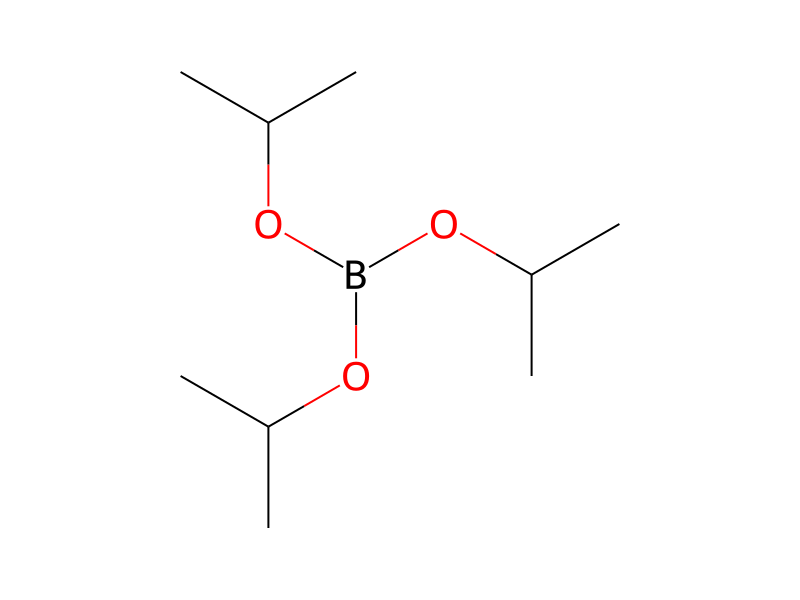
To a solution of 7-chlorobenzo[b]thiophene (1.0 g, 5.92 mmol) in THF (25 mL) at −78° C. was added nbutyllithium (7.41 mL 11.8 mmol, 1.6 M solution). The reaction was allowed to warm to −30° C. then was cooled back to −78° C. and triisopropyl borate (2.23 g, 11.8 mmol) was added. The mixture was allowed to warm to 0° C., saturated ammonium chloride added and the organic phase separated off and concentrated in vacuo. To the residue was added aqueous sodium hydroxide (10 mL, 2N solution) followed by water (30 mL) and the mixture was washed with DCM. The aqueous phase was acidified with 2N sulfuric acid, and the resulting precipitate isolated by filtration and dried under vacuum to yield 7-chlorobenzo[b]thiophene-2-boronic acid (1.21 g, 96%) as white solid. 1H NMR (400 MHz, CDCl3) δ=7.41 (t, J=7.70 Hz, 1H), 7.50 (d, J=7.70 Hz, 1H), 7.91 (d, J=7.70 Hz, 1H), 8.03 (s, 1H), 8.63 (s, 2H); MS (ES+): m/z 211.86 [M+].