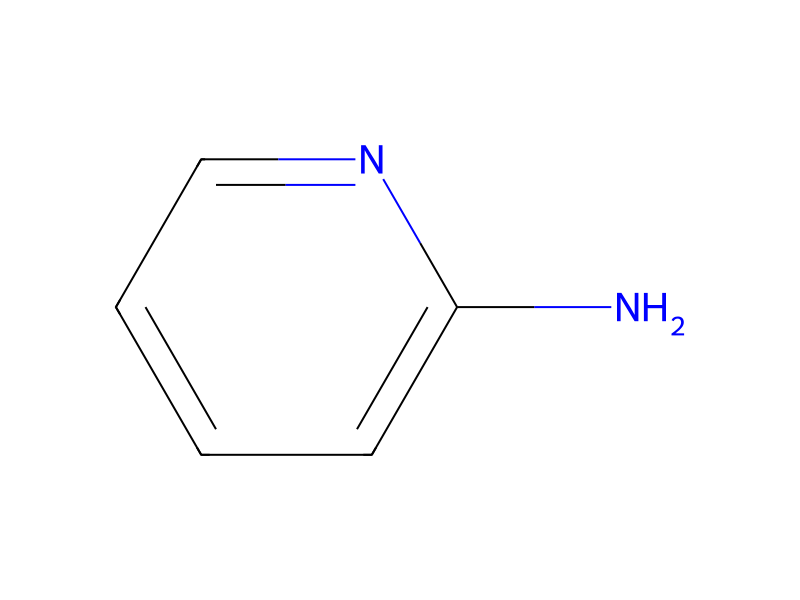
Under an inert atmosphere, 6.23 g (38.5 mmol) of N,N-carbonyldiimidazole are added to a suspension of 6 g (35 mmol) of 2-chloropyridylacetic acid in anhydrous THF (90 ml) at room temperature. The reaction mixture is stirred at this temperature for 2 hours, 5.43 g (57.7 mmol) of 2-aminopyridine are then added and the mixture is refluxed for 2 hours. 200 ml of dichloromethane are added to the reaction mixture, cooled to room temperature, and the organic phase thus obtained is washed with saturated ammonium chloride solution and then with aqueous sodium hydroxide solution (1N), dried over Na2SO4, filtered and concentrated under reduced pressure. The residue is purified by flash chromatography on silica gel (eluent: dichloromethane/ethyl acetate, from 0% to 70% ethyl acetate). 5.6 g of compound are obtained in the form of a white powder. Yield 65%. Melting point: 130° C. MH+: 248.1 (tr: 5.45 min., condition 1).