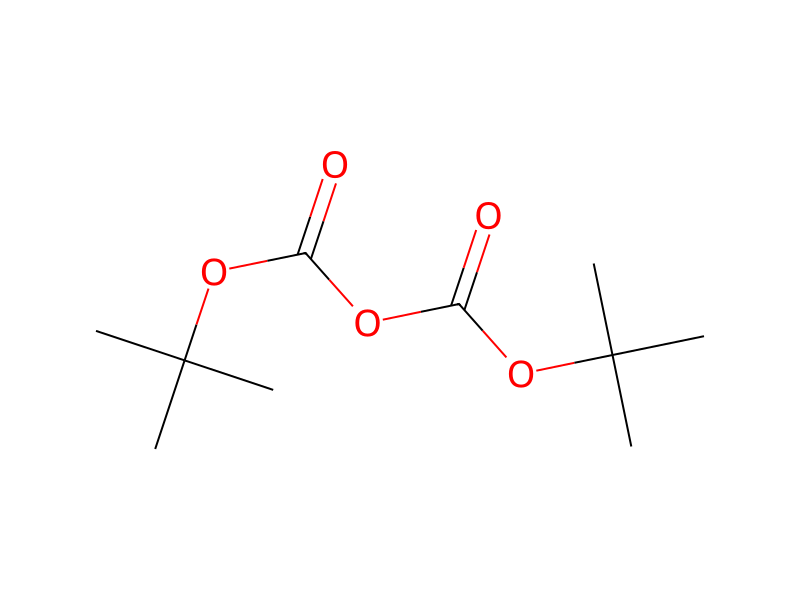
Triethylamine → HCID 178454001, Verbindung
HRID 2089037
Reaktionsgleichung

[Cl:1][C:2]1[N:7]=[C:6]([NH:8][C@H:9]2[CH2:14][CH2:13][C@H:12]([NH2:15])[CH2:11][CH2:10]2)[CH:5]=[C:4]([I:16])[CH:3]=1.C(N(CC)CC)C.[O:24](C(OC(C)(C)C)=O)[C:25]([O:27][C:28]([CH3:31])([CH3:30])[CH3:29])=O>O1CCCC1>[Cl:1][C:2]1[N:7]=[C:6]([NH:8][C@H:9]2[CH2:10][CH2:11][C@H:12]([NH:15][C:25](=[O:24])[O:27][C:28]([CH3:31])([CH3:30])[CH3:29])[CH2:13][CH2:14]2)[CH:5]=[C:4]([I:16])[CH:3]=1Komponenten
5