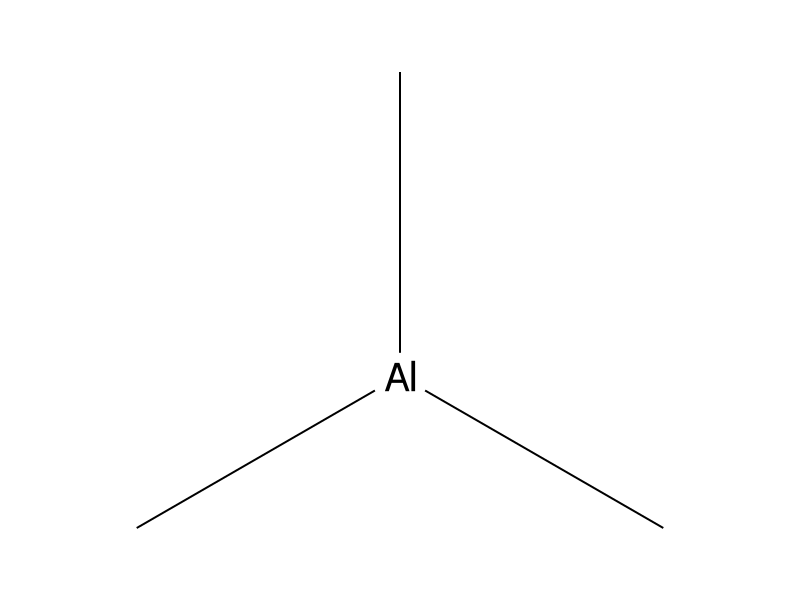
Cl[C:2]1[C:11]2[C:6](=[CH:7][CH:8]=[CH:9][CH:10]=2)[CH:5]=[C:4]([Cl:12])[N:3]=1.[CH3:13][Al](C)C>C1COCC1.C1C=CC([P]([Pd]([P](C2C=CC=CC=2)(C2C=CC=CC=2)C2C=CC=CC=2)([P](C2C=CC=CC=2)(C2C=CC=CC=2)C2C=CC=CC=2)[P](C2C=CC=CC=2)(C2C=CC=CC=2)C2C=CC=CC=2)(C2C=CC=CC=2)C2C=CC=CC=2)=CC=1>[Cl:12][C:4]1[N:3]=[C:2]([CH3:13])[C:11]2[C:6]([CH:5]=1)=[CH:7][CH:8]=[CH:9][CH:10]=2A mixture of 1,3-dichloroisoquinoline (2.0 g, 10.1 mmol), trimethylaluminum (2.0 M in heptane, 6.1 mL, 12.1 mmol), and tetrakis(triphenylphosphine)palladium(0) (117 mg, 0.1 mmol) in THF (8 mL) was heated in a microwave reactor at 100° C. for 15 min. After quenching by addition of water (30 mL), the mixture was extracted with EtOAc. The organics were dried over Na2SO4, filtered, and concentrated. The residue was purified by silica gel chromatography eluting with 10% EtOAc/hexanes to afford the title compound: 1H NMR (500 MHz, CDCl3): δ 8.12 (dd, J=8.5, 0.5 Hz, 1H); 7.76 (d, J=8.0 Hz, 1H); 7.10 (dt, J=8.5, 0.5 Hz, 1H), 7.62-7.60 (m, 2H); 2.97 (s, 3H). LC6: 2.85 min, (M+H): 178.