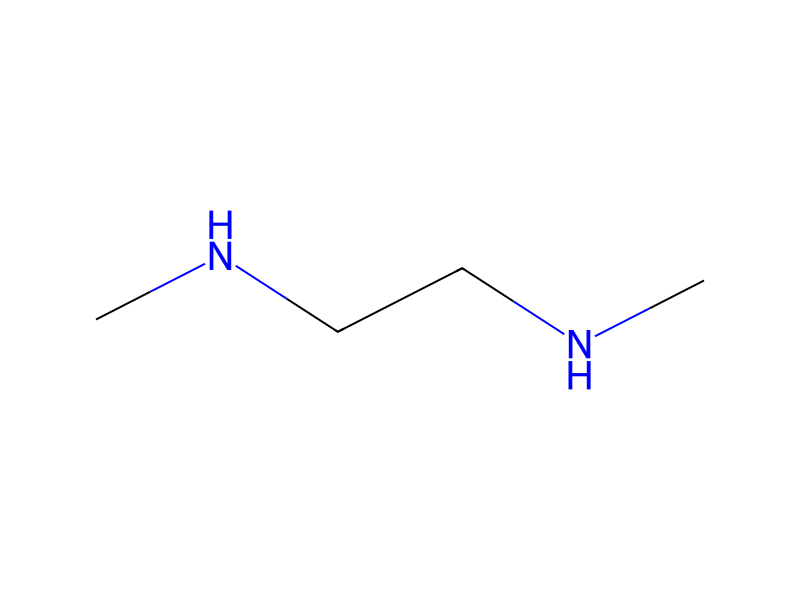
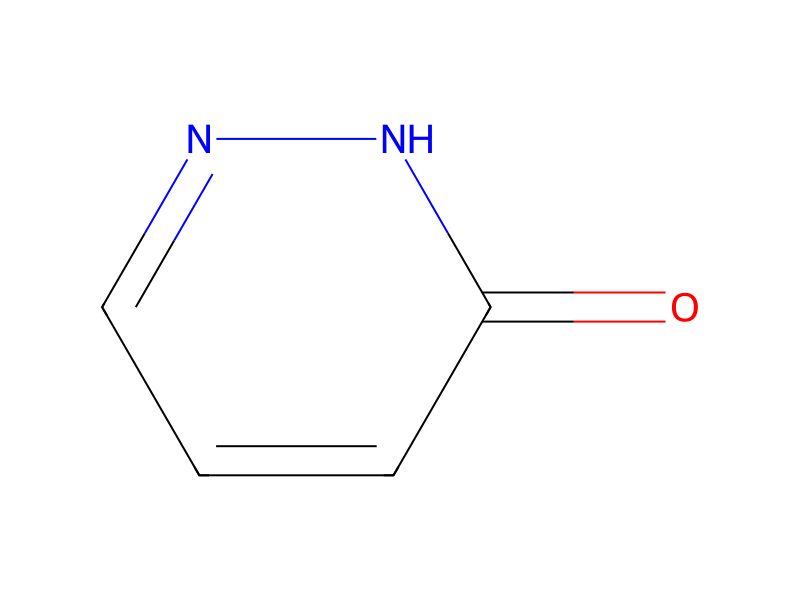
The product of Example 1D (cis-3-(6-Bromo-benzothiazol-2-yl)-cyclobutanol) (2.25 g, 7.93 mmole), 3(2H)-pyridazinone (CAS # 504-30-3) (1.52 g, 15.83 mmole), copper (500 mg, 7.93 mmole), potassium carbonate (3.28 g, 23.77 mmole), and copper(I) iodide (211 mg, 1.11 mmole) were mixed in degassed pyridine (50 ml) and placed under vacuum for 15 minutes then refilled with nitrogen. N,N′-dimethylethylene diamine (240 μl, 196 mg, 2.22 mmole) was added and the mixture was heated at reflux overnight. The mixture was diluted with water and extracted three times with dichloromethane. The combined organic layers were washed with brine, dried over sodium sulfate, filtered, and concentrated under reduced pressure to give the crude product which was purified by column chromatography (0.4% ammonium hydroxide and 4% methanol in dichloromethane) to provide the title compound. 1H NMR (400 MHz, CDCl3) δ ppm 8.15 (d, J=2.15 Hz, 1H) 8.04 (d, J=8.90 Hz, 1H) 7.92 (dd, J=3.68, 1.53 Hz, 1H) 7.70 (dd, J=8.59, 2.15 Hz, 1H) 7.24-7.30 (m, 1H) 7.04-7.11 (m, 1H) 4.68-4.81 (m, 0.3H) 4.31-4.43 (m, 0.7H) 3.87-3.98 (m, 0.3H) 3.39-3.51 (m, 0.7H) 2.90-3.01 (m, 1.4H) 2.77-2.87 (m, 0.6H) 2.51-2.62 (m, 0.6H) 2.33-2.45 (m, 2.1H) 2.07 (d, J=5.22 Hz, 0.3H). MS: (M+H)+=300.