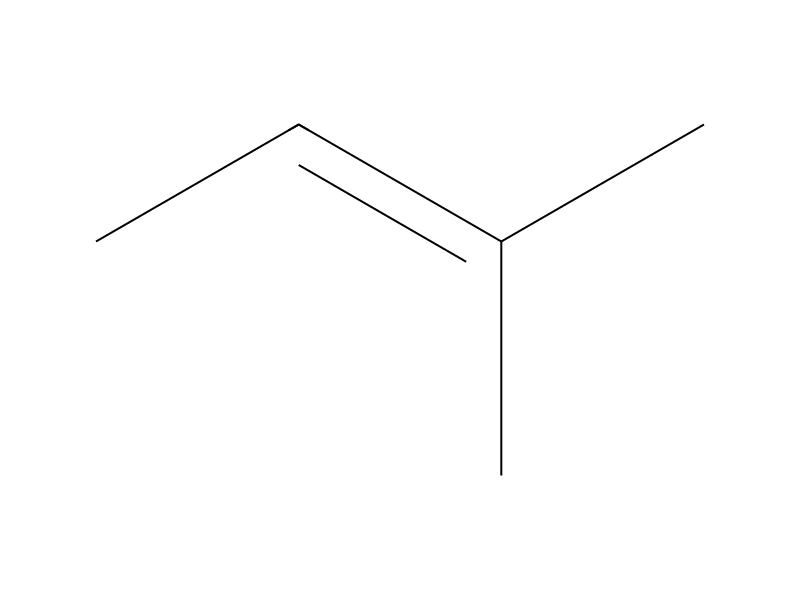
2-Methyl-2-butene → HCID 178456483, Verbindung
Reaktionsgleichung

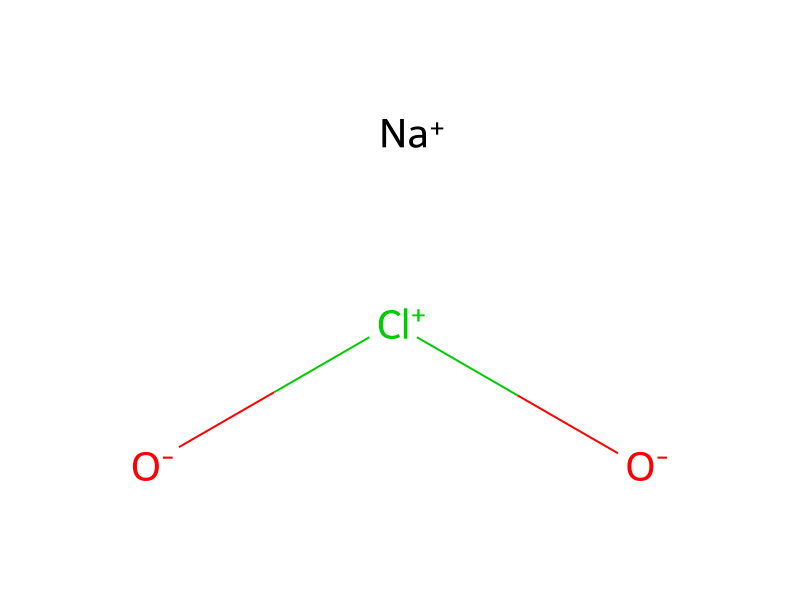
[O:1]=[C:2]1[N:10]([CH2:11][CH2:12][CH3:13])[C:9]2[NH:8][C:7]([C:14]34[CH2:21][CH2:20][C:17]([CH2:22][CH:23]=[O:24])([CH2:18][CH2:19]3)[CH2:16][CH2:15]4)=[N:6][C:5]=2[C:4](=[O:25])[N:3]1[CH2:26][CH2:27][CH3:28].CC(=CC)C.[O-:34]Cl=O.[Na+]>CC(O)(C)C>[O:1]=[C:2]1[N:10]([CH2:11][CH2:12][CH3:13])[C:9]2[NH:8][C:7]([C:14]34[CH2:19][CH2:18][C:17]([CH2:22][C:23]([OH:34])=[O:24])([CH2:20][CH2:21]3)[CH2:16][CH2:15]4)=[N:6][C:5]=2[C:4](=[O:25])[N:3]1[CH2:26][CH2:27][CH3:28]Komponenten
5
Edukt 3

Produkt 1

Reagenzien, Katalysatoren, Lösungsmittel 1

Versuchsvorschrift
To a solution of [4-(2,6-dioxo-1,3-dipropyl-2,3,6,9-tetrahydro-1H-purin-8-yl)-bicyclo[2.2.2]oct-1-yl]-acetaldehyde (170 mg, 0.440 mmol) in t-BuOH (10 ml) and 2-methyl-2-butene (10 eq, 4.4 mmol, 470 μL), cooled with the aid of an ice bath, was added NaClO2 (1.5 eq, 0.66 mmol). The resulting yellow solution as allowed to reach ambient temperature over a period of 14 h then concentrated in vacuo. The resulting oily residue was partitioned between water (10 ml) and CH2C (10 ml). The aqueous phase was acidified by the dropwise addition of concentrated HCl and the resulting precipitate was collected, washed with water and dried to afford 105 mg (59%) as a white powder. 1H NMR (400 MHz, CDCl3); d 0.91 (t, 3H), 0.93 (t, 3H), 1.63 (m, 2H), 1.77 (m, 2H; partially-obscured), 1.82 (m, 6H), 2.01 (m, 6H), 2.32 (s, 2H), 3.95 (m, 2H), 4.07 (m; 2H), 12.74 (s, 1H).