Hydrazine hydrate (1:1) → Nebracetam
HRID 2106634
Reaktionsgleichung

C1(=O)[N:5]([CH2:6][CH:7]2[CH2:11][N:10]([CH2:12][C:13]3[CH:18]=[CH:17][CH:16]=[CH:15][CH:14]=3)[C:9](=[O:19])[CH2:8]2)C(=O)C2=CC=CC=C12.O.NN.C(O)(=O)/C=C/C(O)=O>C(O)C>[CH2:12]([N:10]1[CH2:11][CH:7]([CH2:6][NH2:5])[CH2:8][C:9]1=[O:19])[C:13]1[CH:14]=[CH:15][CH:16]=[CH:17][CH:18]=1Komponenten
5
Edukt 3

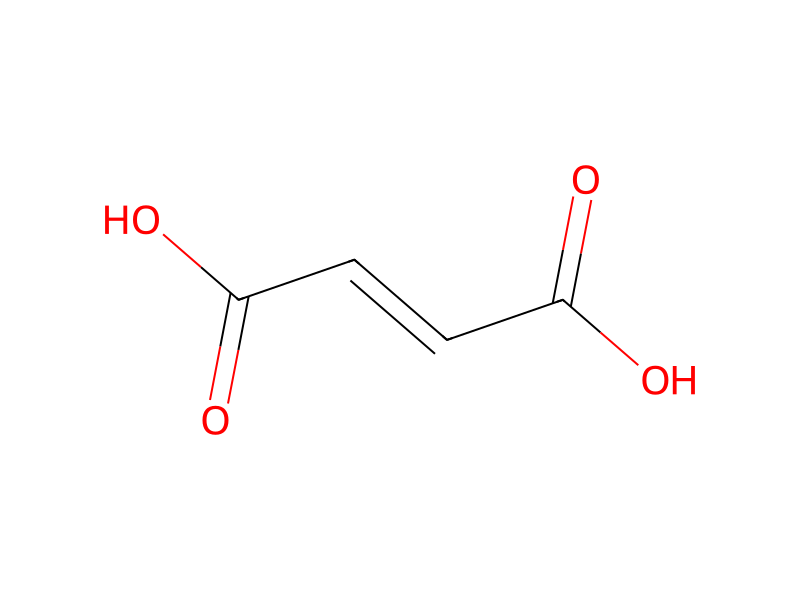

Produkt 1

Reagenzien, Katalysatoren, Lösungsmittel 1

Versuchsvorschrift
54 g (0.16 mol) of 4-phthalimidomethyl-1-benzyl-pyrrolidin-2-one are stirred into 1.3 1 of ethyl alcohol after the addition of 32 g of hydrazine hydrate for 4 hours at room temperature. The precipitate (phthalic acid hydrazide) is removed by suction filtering the filtrate is evaporated down. 500 ml of methylene choloride are added to the residue which is then extracted three times with 100 ml of water. The organic phase is dried and evaporated down. The residue remaining is dissolved in 500 ml of methanol and 20 g (0.17 mol) of solid fumaric acid are added in batches thereto, with stirring, at boiling temperature. As the mixture cools, colorless crystals are precipitated, which are then suction filtered and washed with methanol and ether.