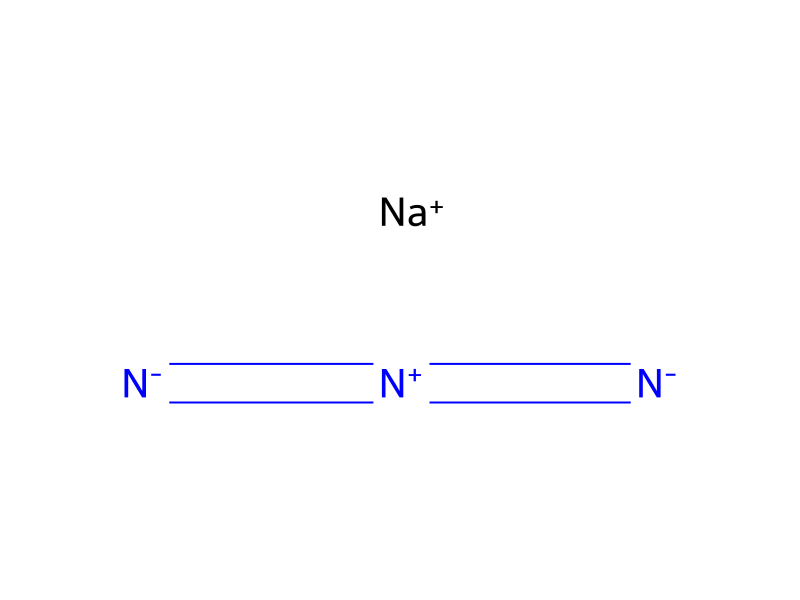
[CH2:1]([O:8][C:9]([N:11]1[CH2:15][C@@H:14]([OH:16])[C@@H:13]([CH2:17]O)[CH2:12]1)=[O:10])[C:2]1[CH:7]=[CH:6][CH:5]=[CH:4][CH:3]=1.[N-:19]=[N+:20]=[N-:21].[Na+].C1(P(C2C=CC=CC=2)C2C=CC=CC=2)C=CC=CC=1.C(Br)(Br)(Br)Br>ClCCl.CO.CN(C)C=O>[N:19]([CH2:17][C@@H:13]1[C@H:14]([OH:16])[CH2:15][N:11]([C:9]([O:8][CH2:1][C:2]2[CH:7]=[CH:6][CH:5]=[CH:4][CH:3]=2)=[O:10])[CH2:12]1)=[N+:20]=[N-:21](3R,4S)-[1-Benzyloxycarbonyl-4-hydroxypyrrolidin-3-yl]methanol (2.33 g), sodium azide (1.81 g), triphenylphosphine (2.67 g) and N,N-dimethylformamide (46 mL) were mixed together. While the mixture was chilled in an ice water bath, carbon tetrabromide (3.38 g) in dichloromethane (10 mL) was added dropwise. The reaction mixture was stirred at room temperature for 13 hours and then at 60° C. for 3 hours. Subsequently, methanol (3 mL) was added and the mixture was concentrated under reduced pressure. The resulting residue was dissolved in ethyl acetate (200 mL) and the solution was washed with saturated brine (2×50 mL), dried over anhydrous sodium sulfate, and concentrated under reduced pressure. The resulting residue was purified by silica gel column chromatography (eluant: ethyl acetate: hexane=2:1) to give (3R,4S)-3-azidomethyl-1-benzyloxycarbonyl-4-hydroxypyrrolidine as a milky white syrup (2.18 g).