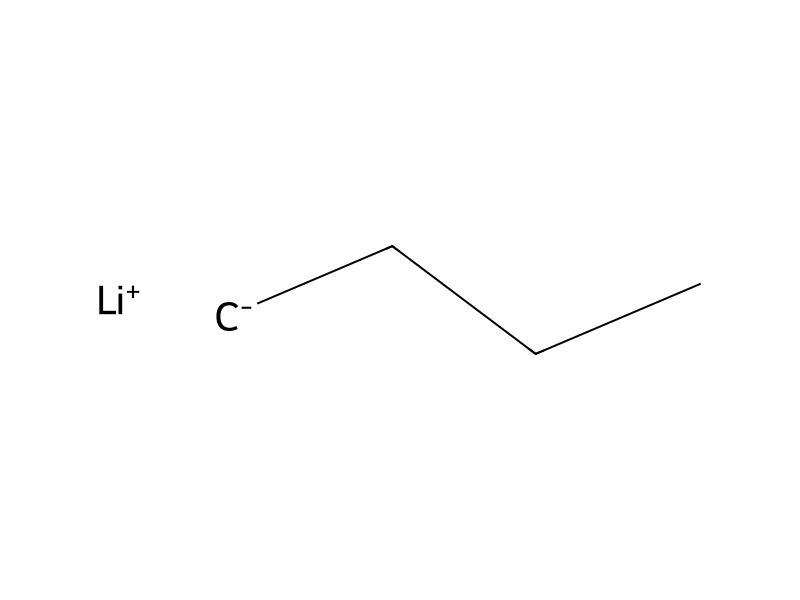
[C:1]1([C@@H:7]2[CH2:11][O:10][C:9](=[O:12])[NH:8]2)[CH:6]=[CH:5][CH:4]=[CH:3][CH:2]=1.[Li+].CCC[CH2-].[F:18][C:19]([F:32])([F:31])[C:20]1[CH:25]=[CH:24][C:23](/[CH:26]=[CH:27]/[C:28](Cl)=[O:29])=[CH:22][CH:21]=1>C1COCC1>[C:1]1([C@@H:7]2[CH2:11][O:10][C:9](=[O:12])[N:8]2[C:28](=[O:29])/[CH:27]=[CH:26]/[C:23]2[CH:22]=[CH:21][C:20]([C:19]([F:31])([F:32])[F:18])=[CH:25][CH:24]=2)[CH:2]=[CH:3][CH:4]=[CH:5][CH:6]=1To a 500 mL round-bottomed flask was added (R)-4-phenyloxazolidin-2-one (19 g, 116.00 mmol) and THF (464 mL, 116 mmol). The solution was cooled to −78° C. N-butyllithium (46 mL, 116 mmol) was then added slowly, and the reaction was stirred for about 15 minutes before the addition of a THF solution of (E)-3-(4-(trifluoromethyl)phenyl)acryloyl chloride (27 g, 116 mmol). The cold bath was removed, the reaction was allowed to warm to room temperature, and the progress of the reaction was checked by LCMS. After LCMS indicated that the reaction was complete, the reaction was quenched with water, and the organics were washed with saturated sodium bicarbonate and brine, dried over sodium sulfate, filtered, and reduced to give an orange solid, (R,E)-4-phenyl-3-(3-(4-(trifluoromethyl)phenyl)acryloyl)oxazolidin-2-one (42 g, 100% yield).