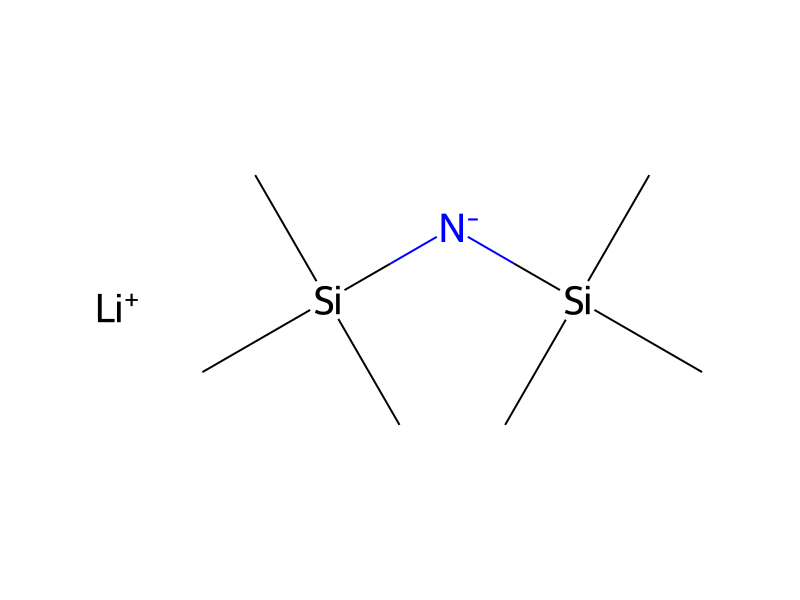
[O:1]=[C:2]1[NH:7][CH2:6][CH2:5][N:4]([C:8]([O:10][CH2:11][C:12]2[CH:17]=[CH:16][CH:15]=[CH:14][CH:13]=2)=[O:9])[CH2:3]1.C[Si]([N-][Si](C)(C)C)(C)C.[Li+].C1COCC1.[CH2:33](Br)[C:34]1[CH:39]=[CH:38][CH:37]=[CH:36][CH:35]=1>CN(C=O)C>[CH2:33]([N:7]1[CH2:6][CH2:5][N:4]([C:8]([O:10][CH2:11][C:12]2[CH:17]=[CH:16][CH:15]=[CH:14][CH:13]=2)=[O:9])[CH2:3][C:2]1=[O:1])[C:34]1[CH:39]=[CH:38][CH:37]=[CH:36][CH:35]=1To a cold (0° C.) solution of benzyl 3-oxopiperazine-1-carboxylate (4.7 g, 20 mmol) in DMF (75 mL) under an atmosphere of nitrogen, a solution of lithium bis(trimethylsilyl)amide in THF (24 mL, 24 mmol) was added and stirred at the temperature for 30 min. The resultant solution was treated with benzyl bromide (2.9 mL, 24 mmol), and stirred at room temperature overnight. The product mixture was concentrated under vacuum, and the residue partitioned between aqueous HCl and ethyl acetate. The organic extracted was washed with brine, dried over anhydrous magnesium sulfate, filtered, and concentrated under vacuum. The residue was subjected to column chromatography on silica gel eluting with a 50-50 mixture of ethyl acetate and hexane. Collection and concentration of appropriate fractions provided the benzylated product.