StartseiteMCPWorkbenchSkills
StartseiteWorkbenchBenachrichtigungenMein Bereich
llms.txt · MCP-AnleitungDatenschutz · Nutzungsbedingungen · Supportv1.8.3
  1. Startseite
  2. /Reaktion

1,10-Phenanthroline → 4-[7-(2-Chloro-4,6-dimethylphenyl)-2-methyl-4,5,6,7-tetrahydro-2H-pyrazolo[3,4-b]pyridin-3-yl]heptan-4-ol

HRID 2113783
Drucken

Reaktionsgleichung

Reaktionsgleichung von HRID 2113783
Br[C:2]1[N:3]([CH3:20])[N:4]=[C:5]2[C:10]=1[CH2:9][CH2:8][CH2:7][N:6]2[C:11]1[C:16]([CH3:17])=[CH:15][C:14]([CH3:18])=[CH:13][C:12]=1[Cl:19].N1C2C(=CC=C3C=2N=CC=C3)C=CC=1.C([Li])CCC.[CH3:40][CH2:41][CH2:42][C:43](=[O:47])[CH2:44][CH2:45][CH3:46]>O1CCCC1>[Cl:19][C:12]1[CH:13]=[C:14]([CH3:18])[CH:15]=[C:16]([CH3:17])[C:11]=1[N:6]1[CH2:7][CH2:8][CH2:9][C:10]2=[C:2]([C:43]([OH:47])([CH2:44][CH2:45][CH3:46])[CH2:42][CH2:41][CH3:40])[N:3]([CH3:20])[N:4]=[C:5]12
KomponentenReaktionsbedingungenVersuchsvorschriftAufarbeitungQuellen und NachweiseNotizen zur Reaktion

Komponenten

6

Edukt 4

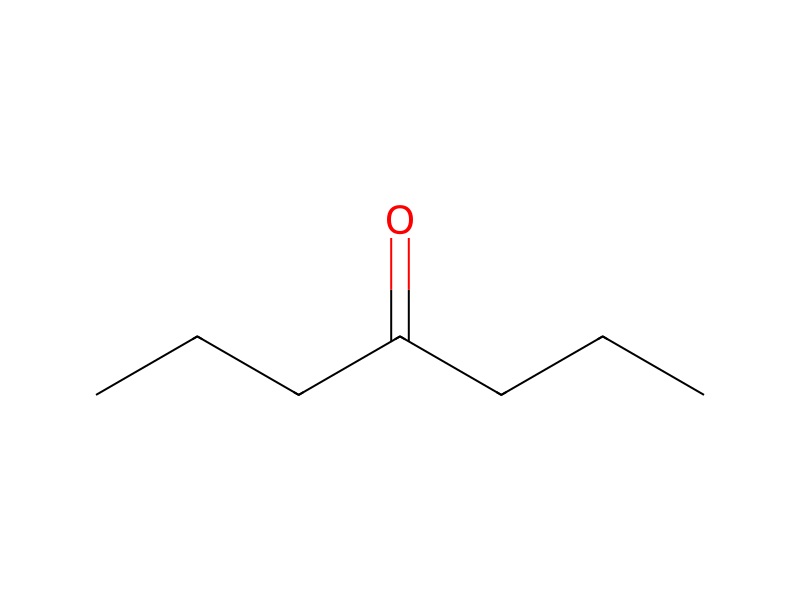
HCID 13181,10-PhenanthrolineHCID 312464-HeptanoneHCID 113602163-bromo-7-(2-chloro-4,6-dimethylphenyl)-2-methyl-4,5,6,7-tetrahydro-2H-pyrazolo[3,4-b]pyridineHCID 178418339Butyllithium2×

Produkt 1

HCID 101728344-[7-(2-Chloro-4,6-dimethylphenyl)-2-methyl-4,5,6,7-tetrahydro-2H-pyrazolo[3,4-b]pyridin-3-yl]heptan-4-ol
Ausbeute 56,7 %

Reagenzien, Katalysatoren, Lösungsmittel 1

HCID 8028TetrahydrofuranLösungsmittel2×

Reaktionsbedingungen

Temperatur
-78 °C

Versuchsvorschrift

3-Bromo-7-(2-chloro-4,6-dimethylphenyl)-2-methyl-4,5,6,7-tetrahydro-2H-pyrazolo[3,4-b]pyridine (1-1; 122 mg) and a crystal of 1,10-phenanthroline were dissolved in 3 mL of dry tetrahydrofuran and the solution was chilled to −78° C. under an atmosphere of argon. To the cooled solution was added n-butyllithium (2.0 M in cyclohexane) until the dark color of the organolithium/phenanthroline complex persisted. An additional 0.17 mL of the butyllithium solution then was added. After 10 m, a solution of 4-heptanone (42.6 mg) in 1 mL tetrahydrofuran was added via syringe. The reaction mixture was allowed to stir at −78° C. for 15 m, then was allowed to warm to 0° C. After quenching with aqueous ammonium chloride, the reaction mixture was partitioned between ethyl acetate and brine. The ethyl acetate was dried with magnesium sulfate and concentrated on the rotary evaporator. The residue was chromatographed on silica gel eluting with 9:1 hexane/acetone to afford 76.0 mg of 4-[7-(2-chloro-4,6-dimethylphenyl)-2-methyl-4,5,6,7-tetrahydro-2H-pyrazolo-[3,4-b]pyridin-3-yl]heptan-4-ol (2-1) which was recrystallized from hexane: mp 129-130° C.

Aufarbeitung

  1. temperatureto warm to 0° C
  2. customAfter quenching with aqueous ammonium chloride
  3. customthe reaction mixture was partitioned between ethyl acetate and brine
  4. dry with materialThe ethyl acetate was dried with magnesium sulfate
  5. concentrationconcentrated on the rotary evaporator
  6. customThe residue was chromatographed on silica gel eluting with 9:1 hexane/acetone

Quellen und Nachweise

ORD-Eintrag
ord-0b3b935646d34556ba50441a70ddb3b3
Quelldatensatz
uspto-grants-2008_10
DOI
10.6084/m9.figshare.5104873.v1
Patentnummer
US07432283B2

Notizen zur Reaktion

Auf dieser SeiteKomponentenReaktionsbedingungenVersuchsvorschriftAufarbeitungQuellen und NachweiseNotizen zur Reaktion