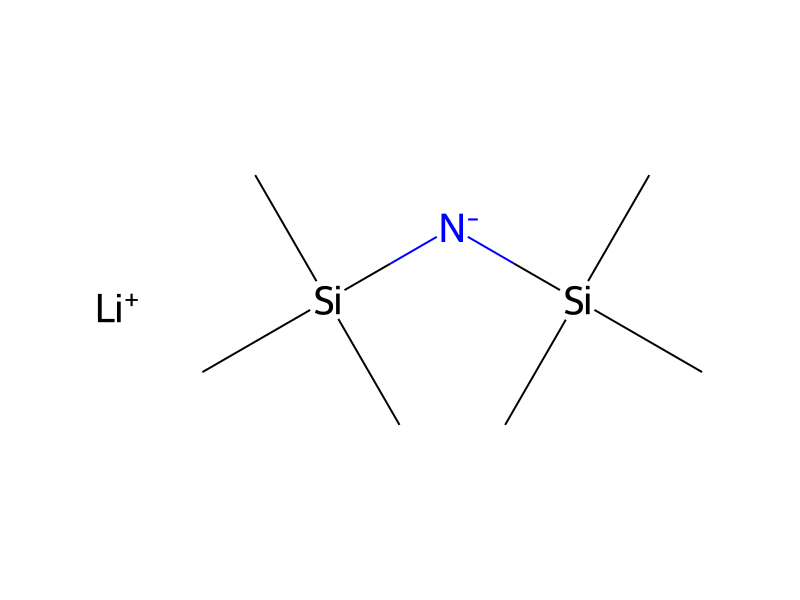
[O:1]=[C:2]1[NH:7][CH2:6][CH2:5][N:4]([C:8]([O:10][C:11]([CH3:14])([CH3:13])[CH3:12])=[O:9])[CH2:3]1.C[Si]([N-][Si](C)(C)C)(C)C.[Li+].C1COCC1.[Cl:30][C:31]1[CH:32]=[C:33]([CH:36]=[CH:37][C:38]=1[F:39])[CH2:34]Br>CN(C=O)C>[Cl:30][C:31]1[CH:32]=[C:33]([CH:36]=[CH:37][C:38]=1[F:39])[CH2:34][N:7]1[CH2:6][CH2:5][N:4]([C:8]([O:10][C:11]([CH3:14])([CH3:13])[CH3:12])=[O:9])[CH2:3][C:2]1=[O:1]To a cold (0° C.) suspension of tert-butyl 3-oxopiperazine-1-carboxylate (2.0 g, 9.99 mmol) in DMF (20 mL) under an atmosphere of nitrogen, a solution of lithium bis(trimethylsilyl)amide in THF (10.69 mL, 10.69 mmol) was added and stirred at the temperature for 30 min. The resultant clear red brown solution was treated with 3-chloro-4-fluorobenzyl bromide (2.34 mL, 10.49 mmol), and stirred at 0° C. for 2 hours. The product mixture was concentrated under vacuum, and the residue partitioned between water and ethyl acetate. The organic extract was washed successively with 5% aq KHSO4, sat. NaHCO3, and brine. The organic fraction was dried over anhydrous magnesium sulfate, filtered, and concentrated under vacuum. The residue was subjected to column chromatography on silica gel eluting with a 0-100% gradient of ethyl acetate in hexane. Collection and concentration of appropriate fractions provided the benzylated product.