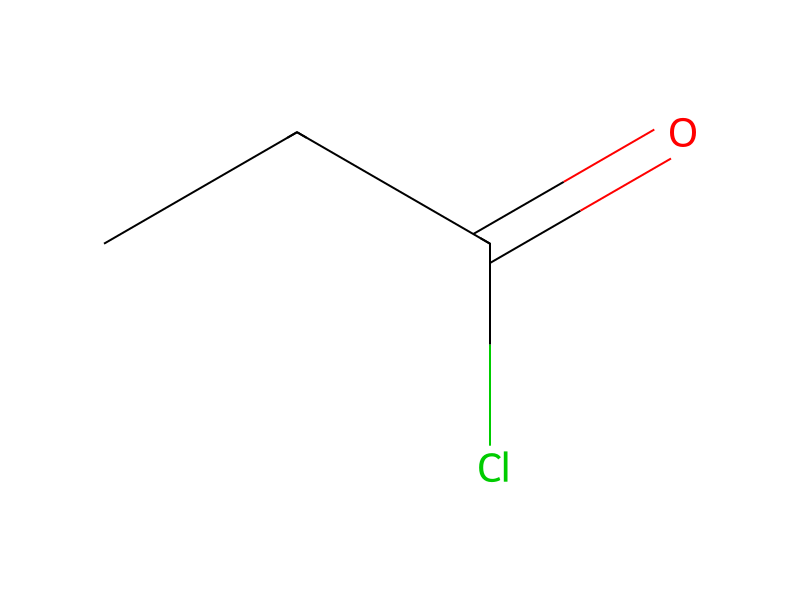
4.2 g of ethyl 3,5-dioxocyclohexanecarboxylate and 3.4 g of triethylamine were dissolved in 50 ml of dichloromethane, to which was added dropwise 2.9 g of propionyl chloride under stirring at room temperature. The resultant mixture was allowed to react at ambient temperature for 2 hours, after which the reaction solution was washed with water and admixed with a dilute aqueous sodium bicarbonate solution to remove the acidic matters from the reaction solution. The organic layer was then separated from the aqueous phase, dried and concentrated to a small volume. The concentrated solution was taken up in 20 ml of toluene, followed by addition of 0.5 g of 4-N,N-dimethylaminopyridine and heating the mixture at 85° C. for 3 hours. Thereafter, the toluene was removed from the reaction solution by distillation under reduced pressure, and the residue was chromatographed on silica gel using benzene as developing solvent to afford 2.5 g of the title compound (Compound No. 9 of Table 1) as colorless flakes having a melting point of 55°- 56° C.