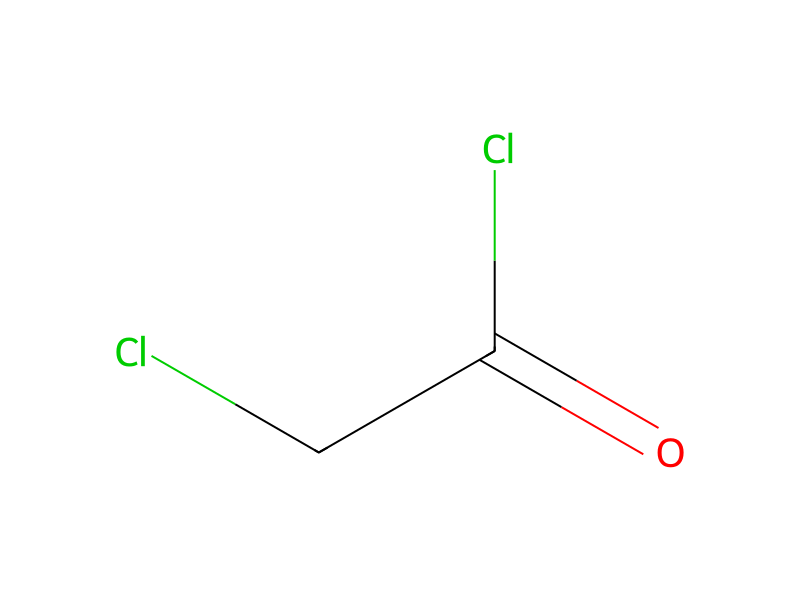
The starting material was prepared as follows. 4-Amino-2-bromothiazole (15.6 g) and chloroacetyl chloride (7.6 g) were suspended in methylene chloride (100 ml) with stirring and treated with pyridine (16 ml) over 15 min., maintaining reaction temperature at 0° C. with an ice bath. After the addition was complete, the reaction mixture was stirred at room temperature for 3 hours, then poured onto 20% aqueous sodium acetate (500 ml) and stirred for 30 minutes. The mixture was separated and the organic layer washed with 2N hydrochloric acid, water, sodium carbonate solution and water. The organic layer was dried (MgSO4) and the solvent removed in vacuo and the residue recrystallised twice from carbon tetrachloride to give 2-bromo-4-chloroacetamidothiazole (5.1 g). m.p. 146°-8° C. (Found: C, 24.1; H, 1.7; N, 11.2. C5H4ClBrN2OS requires C, 23.5; H, 1.6; N, 11.0%).