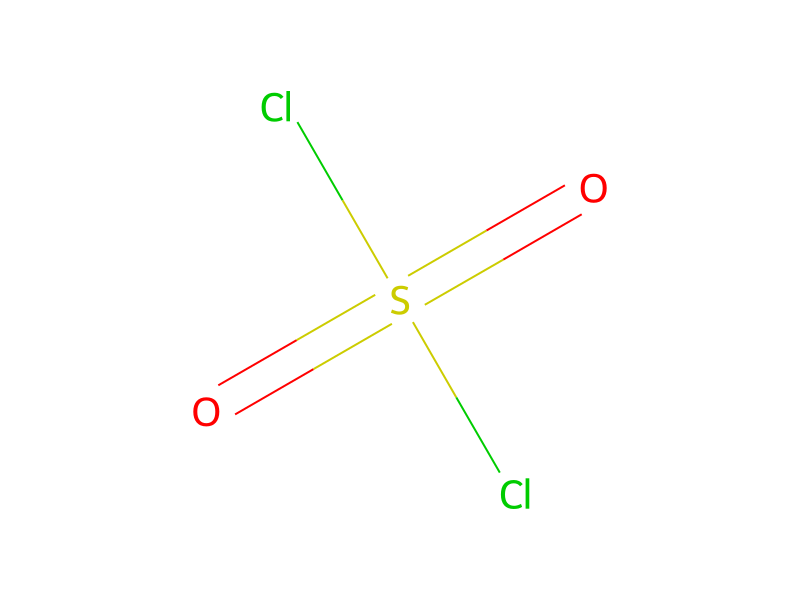
[C:1]1([S:7][CH:8]2[CH2:14][CH:13]3[CH:10]([C:11](=[O:15])[CH2:12]3)[CH:9]2[C:16]([O:18][CH:19]([C:26]2[CH:31]=[CH:30][CH:29]=[CH:28][CH:27]=2)[C:20]2[CH:25]=[CH:24][CH:23]=[CH:22][CH:21]=2)=[O:17])[CH:6]=[CH:5][CH:4]=[CH:3][CH:2]=1.N1C=CC=CC=1.S(Cl)(Cl)(=O)=O>C(Cl)Cl>[C:1]1([S:7][C:8]2[CH2:14][CH:13]3[CH:10]([C:11](=[O:15])[CH2:12]3)[C:9]=2[C:16]([O:18][CH:19]([C:26]2[CH:27]=[CH:28][CH:29]=[CH:30][CH:31]=2)[C:20]2[CH:21]=[CH:22][CH:23]=[CH:24][CH:25]=2)=[O:17])[CH:2]=[CH:3][CH:4]=[CH:5][CH:6]=1A 500 mL, 3-neck flask fitted with an argon inlet, septum cap, thermometer, and stir bar was charged with 7.2 g of 3-phenylthio-7-oxobicyclo[3.2.0]heptan-2-carboxylic acid, diphenylmethyl ester, prepared by the procedure of Paragraph A, dissolved in 200 mL of methylene chloride. To this rapidly stirred solution at -65° was added 5.7 mL of pyridine in one portion, then 1.85 mL of sulfonyl chloride dropwise, slowly. This solution was stirred between -60° and -55° C. for 30 min and then it was poured onto water. The organic phase was washed again with water, then with brine dried over sodium sulfate and evaporated to dryness. The two major components of this mixture was separated on a Waters prep LC/System 500 liquid chromatograph by elution on 2 silica gel cartridges with methylene chloride. The second major component to be eluted was 3-phenylthio-7-oxobicyclo[3.2.0]hept-2-en-2-carboxylic acid, diphenylmether ester, 3.46 g (48.3%) as a colorless solid: NMR (220 MHz; CDCl3): δ 2.27 (1 H, dd, J=17, 3.5), 2.6-3.0 (3H, m), 3.18 (1H, ddd, J=17, 8, 4), 4.57 (1H, m), 6.84 (1H, s), and 7.0-7.5 (15H, m). The analytical sample, mp 148° to 150°, was prepared by recrystallization from benzene-ether.