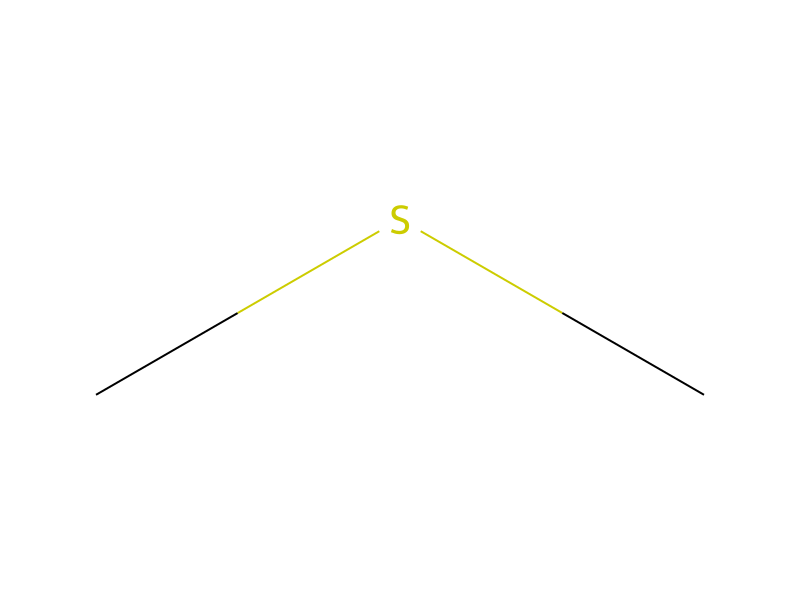
Into a 100-mL 3-necked round-bottom flask (1 atm) purged and maintained with an inert atmosphere of nitrogen, was placed 2-methoxy-6-(trifluoromethyl)benzoic acid (2.2 g, 9.99 mmol, 1.00 equiv), chlorobenzene (20 mL). This was followed by the addition of BH3.SMe2(2M in tetrahydrofuran) (15.0 mL) dropwise with stirring at 0° C. The mixture was stirred 15 min at 0° C. Then the resulting solution was stirred for 2 h at 80° C. and continued stirring for 18 h at 130° C. in an oil bath. The reaction progress was monitored by TLC (PE:EtOAc=4:1). The reaction was then quenched by the addition of 20 mL of water, extracted with 3×20 mL of ethyl acetate and the organic layers combined and dried over anhydrous sodium sulfate and concentrated under vacuum. The residue was applied onto a silica gel column with ethyl acetate/petroleum ether (1:2). This resulted in 1.9 g (92%) of [2-methoxy-6-(trifluoromethyl)phenyl]methanol as a yellow solid.