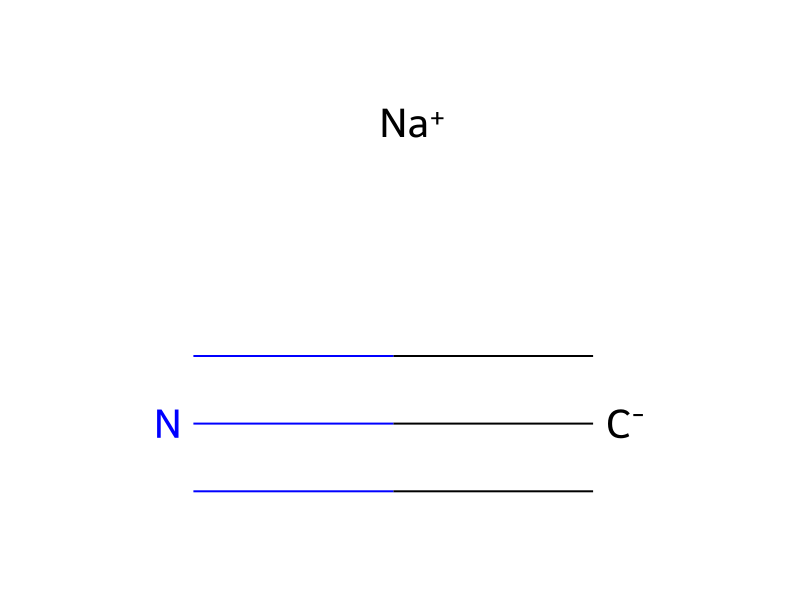
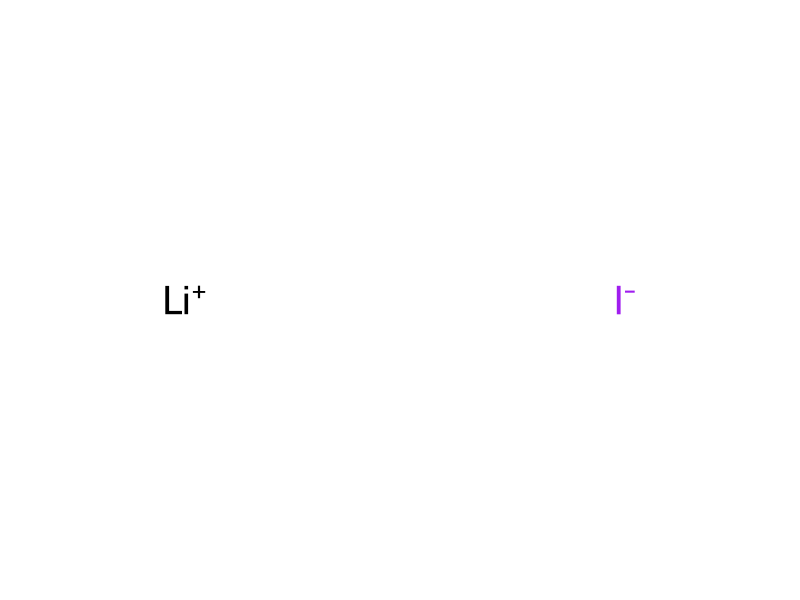
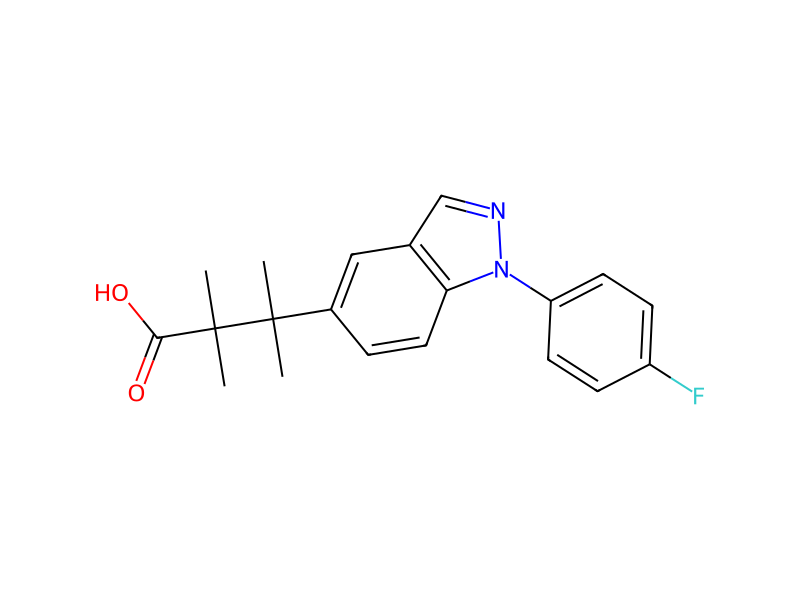
[F:1][C:2]1[CH:7]=[CH:6][C:5]([N:8]2[C:16]3[C:11](=[CH:12][C:13]([C:17]([CH3:26])([CH3:25])[C:18]([CH3:24])([CH3:23])[C:19]([O:21]C)=[O:20])=[CH:14][CH:15]=3)[CH:10]=[N:9]2)=[CH:4][CH:3]=1.[I-].[Li+].[C-]#N.[Na+]>N1C=CC=CC=1>[F:1][C:2]1[CH:3]=[CH:4][C:5]([N:8]2[C:16]3[C:11](=[CH:12][C:13]([C:17]([CH3:26])([CH3:25])[C:18]([CH3:24])([CH3:23])[C:19]([OH:21])=[O:20])=[CH:14][CH:15]=3)[CH:10]=[N:9]2)=[CH:6][CH:7]=1A mixture of methyl 3-(1-(4-fluorophenyl)-1H-indazol-5-yl)-2,2,3-trimethylbutanoate (330 mg, 0.93 mmol), lithium iodide (500 mg, 3.7 mmol), sodium cyanide (180 mg, 3.7 mmol), and pyridine (3 mL) was heated in CEM Explorer microwave reactor under nitrogen at 170° C. for 30 min. The reaction mixture was concentrated in vacuo, mixed with water (10 mL) and ethyl acetate (10 mL), and acidified with 10% aqueous citric acid solution to pH=4. The aqueous layer was separated and extracted with ethyl acetate (2×10 mL). The combined organic solutions were dried (Na2SO4) and concentrated to give 3-(1-(4-fluorophenyl)-1H-indazol-5-yl)-2,2,3-trimethylbutanoic acid (310 mg, 0.91 mmol, 98% yield) that was used as such for the subsequent step without further purification.