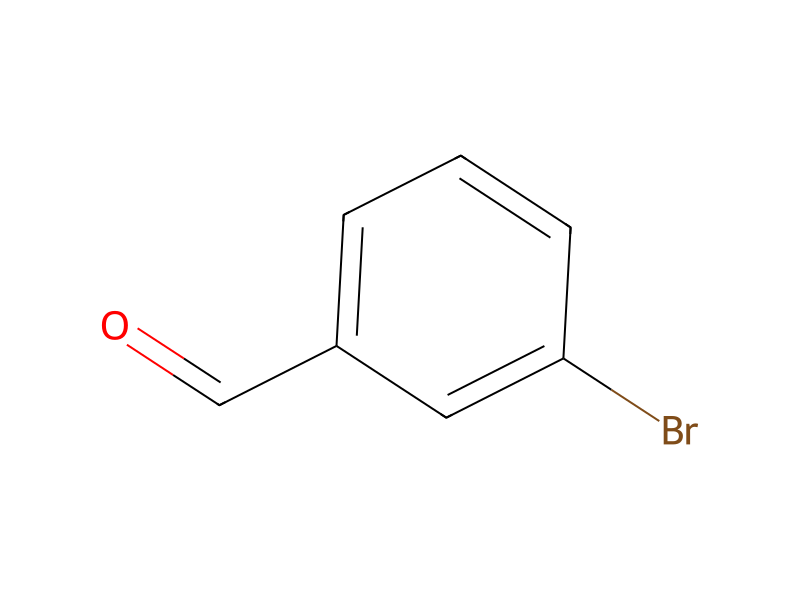
[CH2:1]1[C:15]2[C:10](=[CH:11][CH:12]=[CH:13][CH:14]=2)[CH2:9][C:8]2[C:3](=[CH:4][CH:5]=[CH:6][CH:7]=2)[CH2:2]1.[Li]CCCC.[Br:21][C:22]1[CH:23]=[C:24]([CH:27]=[CH:28][CH:29]=1)[CH:25]=[O:26]>C1COCC1>[Br:21][C:22]1[CH:23]=[C:24]([CH:25]([CH:9]2[C:8]3[CH:7]=[CH:6][CH:5]=[CH:4][C:3]=3[CH2:2][CH2:1][C:15]3[CH:14]=[CH:13][CH:12]=[CH:11][C:10]2=3)[OH:26])[CH:27]=[CH:28][CH:29]=1Under nitrogen, cool a THF (300 mL) solution of dibenzosuberane (23.9 g, 123 mmol) to 0° C. and add n-BuLi (1.6M, 90 mL, 144 mmol). Remove the cooling bath and the reaction stir at ambient temperature for 1 h. Cool the orange solution to 5° C. and add a solution of 3-bromobenzaldehyde (22.8 g, 123 mmol) in THF (100 mL). After 30 min., quench the reaction with saturated NH4Cl (200 mL) and remove most of the THF under reduced pressure. Shake the residue with brine/EtOAc. Dry the organic layer (MgSO4) and concentrate to give 49.2 g colorless oil. HPLC shows 86% purity. The compound is sufficiently pure to carry on to the next reaction. Purify a small portion on silica gel using EtOAc/hexane to give a colorless oil that rapidly crystallized, mp 93.9° C., 1H NMR (CDCl3) δ3.00 (m,2H), 3.57 (m,2H), 3.94 (d,1H), 5.30 (d,1H), 6.38 (d,1H), 6.76-7.34 (m,12H); MS (EI) 360 (M−H2O).