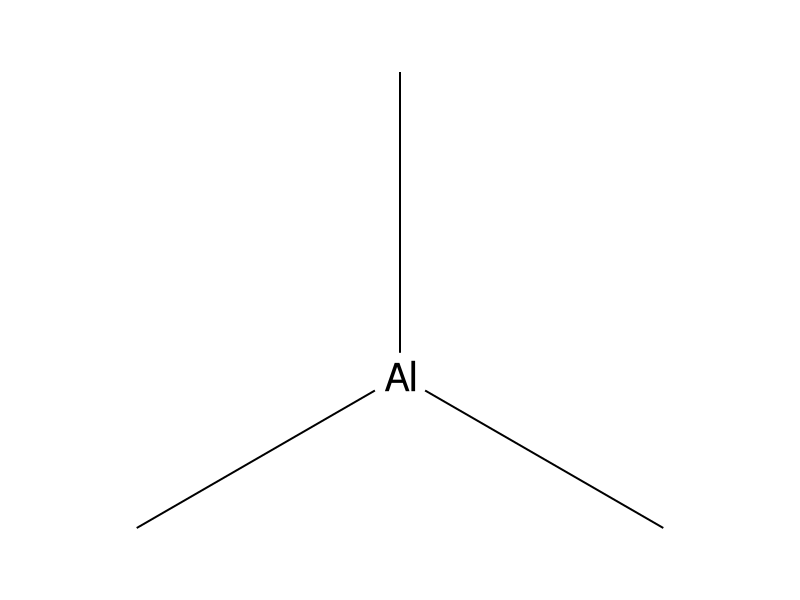
[Cl:1][C:2]1[CH:7]=[C:6]([NH2:8])[CH:5]=[CH:4][N:3]=1.C[Al](C)C.CCCCCC.C[O:20][C:21]([C:23]1[C:28]([NH:29][C:30]([O:32][C:33]([CH3:36])([CH3:35])[CH3:34])=[O:31])=[CH:27][CH:26]=[C:25]([CH3:37])[N:24]=1)=O>O1CCOCC1>[C:33]([O:32][C:30](=[O:31])[NH:29][C:28]1[C:23]([C:21](=[O:20])[NH:8][C:6]2[CH:5]=[CH:4][N:3]=[C:2]([Cl:1])[CH:7]=2)=[N:24][C:25]([CH3:37])=[CH:26][CH:27]=1)([CH3:36])([CH3:34])[CH3:35]To a solution of 2-chloro-4-aminopyridine (0.97 g, 7.5 mmol, 4.0 equiv.) in dry dioxane (20.0 ml) were added 3.75 ml of a 2M solution of trimethyl aluminium in hexane (7.5 mmol, 4.0 equiv.) and the mixture was stirred for 1 h at r.t.. Then 3-tert-Butoxycarbonylamino-6-methyl-pyridine-2-carboxylic acid methyl ester (0.50 g, 1.88 mmol) were added and the reaction was refluxed for 2 h. After allowing the reaction to cool to r.t., the reaction was quenched with water (0.5 ml), stirred for 5 min, dried by addition of magnesium sulfate and filtered over Dicalite which was further washed with methylene chloride. The filtrate was concentrated in vaccuo. The residue was purified by flash chromatography (heptane/ethyl acetate 2:1) to yield the title compound as a white solid (total 0.50 g, 73%), MS (ISP): m/e=363.1, 365.0 (M+H+).