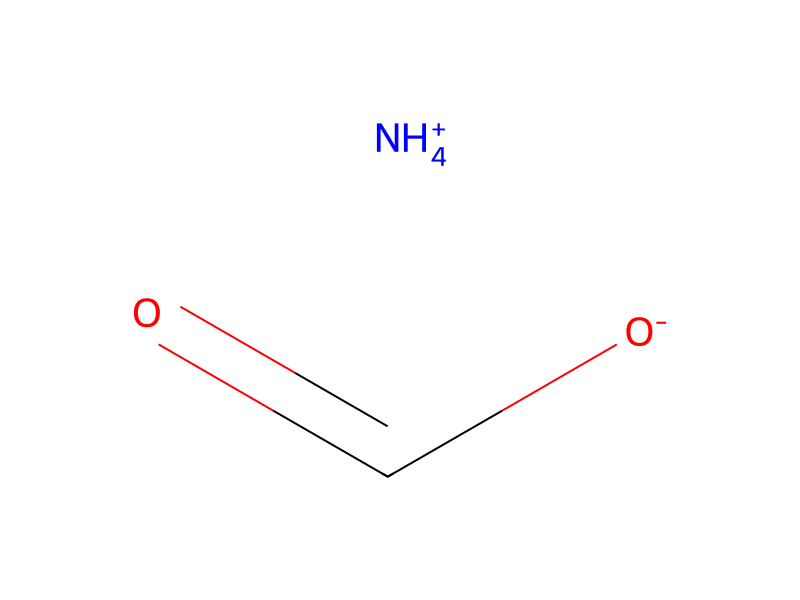
C([O-])=O.[NH4+].[OH:5][C:6]1[CH:29]=[CH:28][C:9](/[CH:10]=[CH:11]/[C:12]([NH:14][CH:15]2[CH2:20][CH2:19][C:18]([CH3:27])([C:21]([O:23]CC=C)=[O:22])[CH2:17][CH2:16]2)=[O:13])=[CH:8][C:7]=1[O:30][CH3:31].[Cl-].[Na+]>C1COCC1.Cl[Pd](Cl)([P](C1C=CC=CC=1)(C1C=CC=CC=1)C1C=CC=CC=1)[P](C1C=CC=CC=1)(C1C=CC=CC=1)C1C=CC=CC=1>[OH:5][C:6]1[CH:29]=[CH:28][C:9](/[CH:10]=[CH:11]/[C:12]([NH:14][CH:15]2[CH2:20][CH2:19][C:18]([CH3:27])([C:21]([OH:23])=[O:22])[CH2:17][CH2:16]2)=[O:13])=[CH:8][C:7]=1[O:30][CH3:31]0.5 of bis(triphenylphosphine)palladium dichloride and 7.5 g of ammonium formate were added to a solution of 2.81 g of allyl trans-4-(4-hydroxy-3-methoxycinnamamido)-1-methyl-1-cyclohexanecarboxylate (Example 24) in 100 ml of THF. The solution was reacted for 18 hours under an argon stream, while it was refluxed. After reaction, 150 ml of an aqueous sodium chloride solution was added to the reaction solution. The solution was extracted three times with 50 ml of ethyl acetate. The organic layer obtained was washed three times with an aqueous sodium chloride solution, was then dried over magnesium sulfate. Then, the solvent was removed in vacuo. The oil substance thus obtained was subjected to column chromatography using 50 g of silica gel. From the fraction eluted with hexane and ethyl acetate=1:2, the solvent was removed in vacuo, yielding 1.7 g of trans-4-(4-hydroxy-3-methoxycinnamamido)-1-methyl-1-cyclohexanecarboxylic acid (a compound of the present invention) as a pale yellow oil, which had the following physiochemical properties: