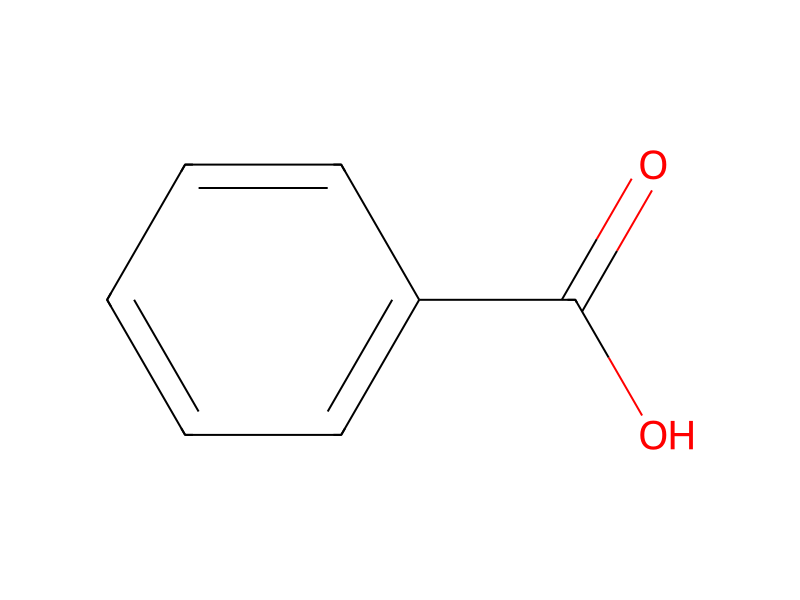
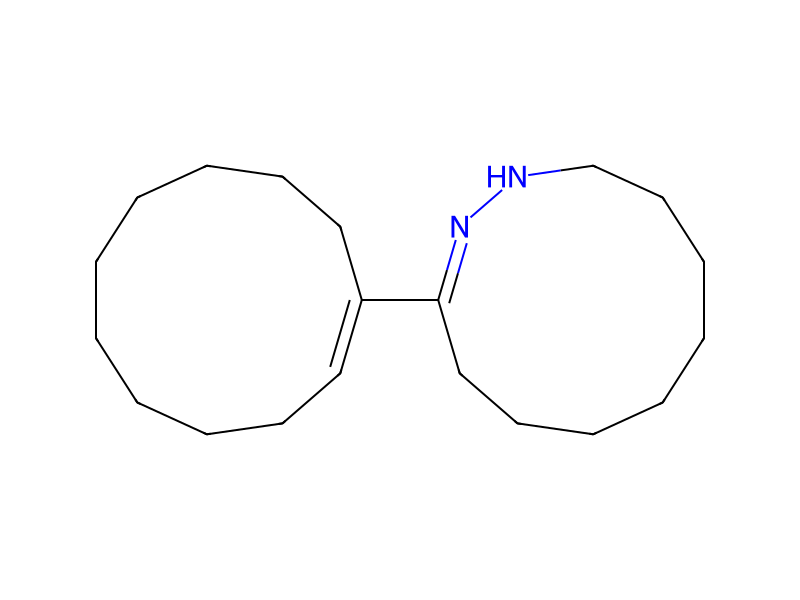
[C:1]([OH:9])(=[O:8])[C:2]1[CH:7]=[CH:6][CH:5]=[CH:4][CH:3]=1.[C:10]([NH:14][S:15]([CH2:18][CH2:19][CH:20](O)[CH2:21][CH3:22])(=[O:17])=[O:16])([CH3:13])([CH3:12])[CH3:11].C1(C2CCCCCCCCCC=2)CCCCCCCCNN=1>O1CCCC1>[C:10]([NH:14][S:15]([CH2:18][CH2:19][CH:20]([O:8][C:1](=[O:9])[C:2]1[CH:7]=[CH:6][CH:5]=[CH:4][CH:3]=1)[CH2:21][CH3:22])(=[O:17])=[O:16])([CH3:13])([CH3:12])[CH3:11]Under nitrogen atmosphere, N,N′-carbonyldiimidazole (90.0 g) was added to a solution of benzoic acid (67.7 g) in tetrahydrofuran (400 ml) in an ice bath and the solution was stirred for 1 hour at room temperature. N-t-butyl-3-hydroxy-1-pentanesulfonamide (59.0 g) was added thereto at room temperature. Subsequently, diazabicycloundecene (84.5 g) was added thereto in an ice bath. The mixture was stirred overnight at room temperature. About ½ volume of tetrahydrofuran was removed under reduced pressure. The reaction solution was made acidic with dilute hydrochloric acid in an ice bath and extracted with chloroform. The organic layer was washed with saturated aqueous solution of sodium hydrogencarbonate. Deposited solid was separated by filtration. After washing the organic layer with saturated brine and drying it over sodium sulfate, the solvent was removed under reduced pressure to obtain N-t-butyl-3-benzoyloxy-1-pentanesulfonamide (90.42 g) as oil.