StartseiteMCPWorkbenchSkills
StartseiteWorkbenchBenachrichtigungenMein Bereich
llms.txt · MCP-AnleitungDatenschutz · Nutzungsbedingungen · Supportv1.8.3
  1. Startseite
  2. /Reaktion

Ammonia → Biuret

HRID 2229992
Drucken

Reaktionsgleichung

Reaktionsgleichung von HRID 2229992
[NH2:1][C:2]([NH2:4])=[O:3].[NH3:5].[C:6](=[O:9])([O-])[O-:7].[NH4+].[NH4+].[NH2:12][C:13]([NH:15][C:16]([NH2:18])=[O:17])=[O:14]>>[NH2:12][C:13]([NH:15][C:16]([NH2:18])=[O:17])=[O:14].[NH:1]1[C:16](=[O:17])[NH:15][C:13](=[O:14])[NH:4][C:2]1=[O:3].[C:13]1([O:3][C:2](=[NH:4])[O:9][C:6](=[NH:5])[O:7]1)=[NH:12]
KomponentenVersuchsvorschriftAufarbeitungQuellen und NachweiseNotizen zur Reaktion

Komponenten

7

Edukt 4

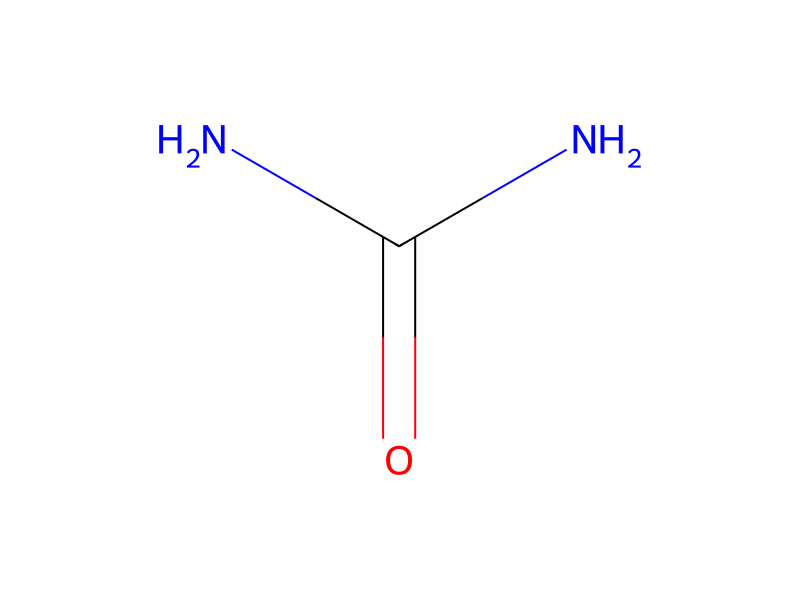
HCID 222AmmoniaHCID 1176UreaHCID 7913BiuretHCID 517111Ammonium Carbonate

Produkt 3

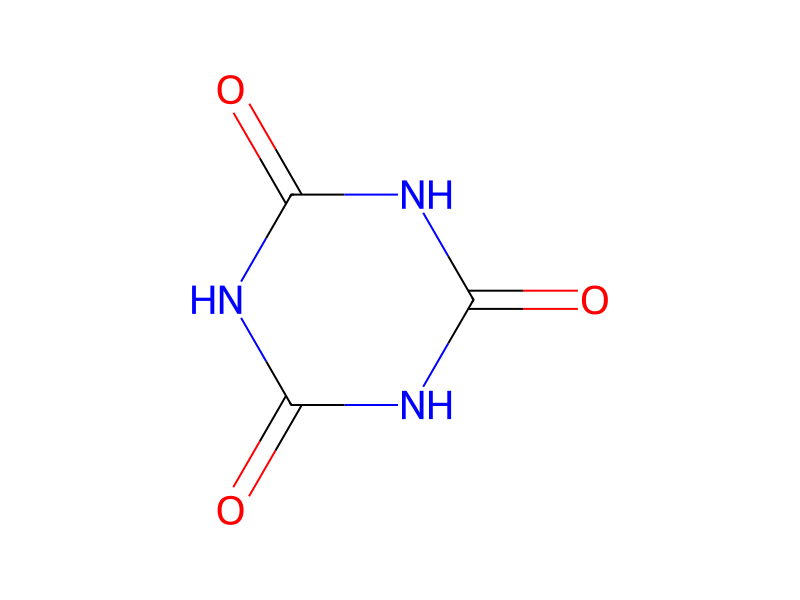
HCID 7913BiuretHCID 7956Cyanuric acidHCID 12305305Cyamelide

Versuchsvorschrift

Two-three heated moles of ammonia to one mol of heated carbon dioxide, heated at 160 to 210 degree C. is forced through a reactor which has an aqueous solution or oil-water slurry of ammonia and carbon dioxide which is being circulated at 160° to 210° C. and under 2-6000 psi to form ammonium carbamate which when heated lose 1 mol of water thereby producing an aqueous urea. The aqueous urea contains small amounts of ammonia, ammonium carbonate and biuret. The aqueous urea is concentrated and the urea crystalizes out. The urea may be heated to above the boiling point of urea to produce biuret or cyanuric acid and cyamelide. When urea is heated with a small amount of water it condensates to for a partially hydrolyzed urea condensate.

Aufarbeitung

  1. concentrationThe aqueous urea is concentrated
  2. customthe urea crystalizes out
  3. temperatureThe urea may be heated to above the boiling point of urea

Quellen und Nachweise

ORD-Eintrag
ord-c6c4ced8b70a4c89a856205bbf83a281
Quelldatensatz
uspto-grants-2002_07
DOI
10.6084/m9.figshare.5104873.v1
Patentnummer
US06423251B1

Notizen zur Reaktion

Auf dieser SeiteKomponentenVersuchsvorschriftAufarbeitungQuellen und NachweiseNotizen zur Reaktion