StartseiteMCPWorkbenchSkills
StartseiteWorkbenchBenachrichtigungenMein Bereich
llms.txt · MCP-AnleitungDatenschutz · Nutzungsbedingungen · Supportv1.8.3
  1. Startseite
  2. /Reaktion

Bicarbonate Ion → HCID 59299500, Verbindung

HRID 2235328
Drucken

Reaktionsgleichung

Reaktionsgleichung von HRID 2235328
[NH2:1][C:2]1[CH:20]=[C:19]([Cl:21])[C:5]([CH2:6][CH:7]2[CH2:11][CH2:10][N:9]([CH:12]3[CH2:17][CH2:16][CH2:15][CH2:14][CH2:13]3)[C:8]2=[O:18])=[C:4]([Cl:22])[CH:3]=1.C(N(CC)CC)C.[S:30](Cl)(Cl)(=[O:32])=[O:31].[C:35](=O)(O)[O-]>C(Cl)Cl>[Cl:22][C:4]1[CH:3]=[C:2]([NH:1][S:30]([CH3:35])(=[O:32])=[O:31])[CH:20]=[C:19]([Cl:21])[C:5]=1[CH2:6][CH:7]1[CH2:11][CH2:10][N:9]([CH:12]2[CH2:13][CH2:14][CH2:15][CH2:16][CH2:17]2)[C:8]1=[O:18]
KomponentenVersuchsvorschriftAufarbeitungQuellen und NachweiseNotizen zur Reaktion

Komponenten

6

Edukt 4

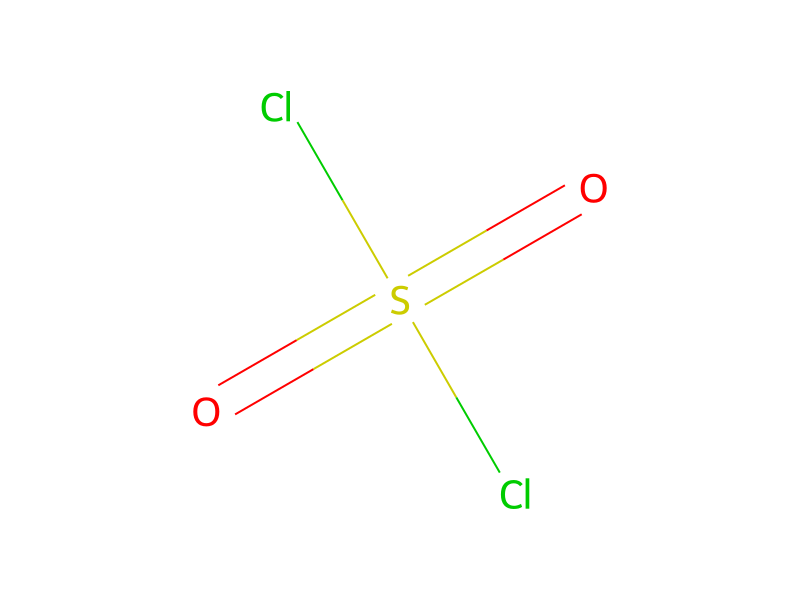
HCID 769Bicarbonate IonHCID 8471TriethylamineHCID 24648Sulfuryl chlorideHCID 592994943-(4-Amino-2,6-dichlorobenzyl)-1-cyclohexylpyrrolidin-2-one

Produkt 1

HCID 59299500HCID 59299500, VerbindungAusbeute 60 %

Reagenzien, Katalysatoren, Lösungsmittel 1

HCID 6344
Dichloromethane
Lösungsmittel

Versuchsvorschrift

Charge a flask with 3-(4-amino-2,6-dichlorobenzyl)-1-cyclohexylpyrrolidin-2-one (250 mg, 0.73 mmol) and dissolve in methylene chloride (3 mL). Add triethylamine (0.16 ml) followed by sulfonyl chloride (0.11 ml, 1.5 mmol) and stir at room temperature for 1 hour. Pour into saturated aqueous bicarbonate and extract with methylene chloride. Dry over soium sulfate, filter and concentrate in vacuo. Purify residue over silica gel (30% ethyl acetate in hexanes) to afford 184 mg (60%) of the title compound. Mass spectrum (apci) m/z=419.1 (M+H).

Aufarbeitung

  1. extractionextract with methylene chloride
  2. dry with materialDry over soium sulfate
  3. filtrationfilter
  4. concentrationconcentrate in vacuo

Quellen und Nachweise

ORD-Eintrag
ord-3f3e894a50e3472aa5eba6f241855ceb
Quelldatensatz
uspto-grants-2010_05
DOI
10.6084/m9.figshare.5104873.v1
Patentnummer
US07713979B2

Notizen zur Reaktion

Auf dieser SeiteKomponentenVersuchsvorschriftAufarbeitungQuellen und NachweiseNotizen zur Reaktion