Reaktionsgleichung

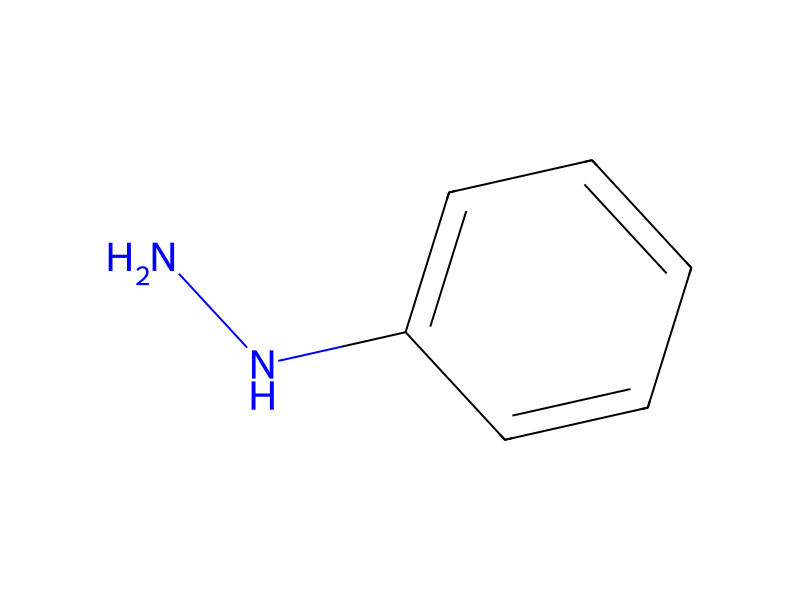
[CH3:1][C:2]1([CH3:17])[CH2:13][CH:12]=[CH:11][CH2:10][CH2:9][CH:8]=[CH:7][CH2:6][CH:5]([CH:14]([CH3:16])[CH3:15])[N:4]=[CH:3]1.Cl.[C:19]1([NH:25][NH2:26])[CH:24]=[CH:23][CH:22]=[CH:21][CH:20]=1>O>[C:19]1([NH:25][N:26]=[CH:1][C:2]([CH3:3])([CH3:17])[CH2:13][CH:12]=[CH:11][CH2:10][CH2:9][CH:8]=[CH:7][CH2:6][CH:5]([CH:14]([CH3:15])[CH3:16])[NH2:4])[CH:24]=[CH:23][CH:22]=[CH:21][CH:20]=1Komponenten
5




Versuchsvorschrift
The procedure described in Example 1(b) is repeated, except that 23.3 g (0.1 mol) of 3,3-dimethyl-12-isopropyl-1-aza-1,5,9-cyclododecatriene, 20 g of 37% hydrochloric acid, 20 ml of water and 10.8 g (0.1 mol) of phenylhydrazine are used. Working up as described in Example 1(b) yields 34.1 g (0.1 mol) of 2,2-dimethyl-11-isopropyl-11-amino-undeca-4,8-dienal phenylhydrazone; yield 100% of theory.
Quellen und Nachweise
- ORD-Eintrag
- ord-058a4350ca9945cb9e81dd82a57ca720
- Quelldatensatz
- uspto-grants-1982_10
- Patentnummer
- US04355177
Verknüpfte Notizen
Wird geladen…