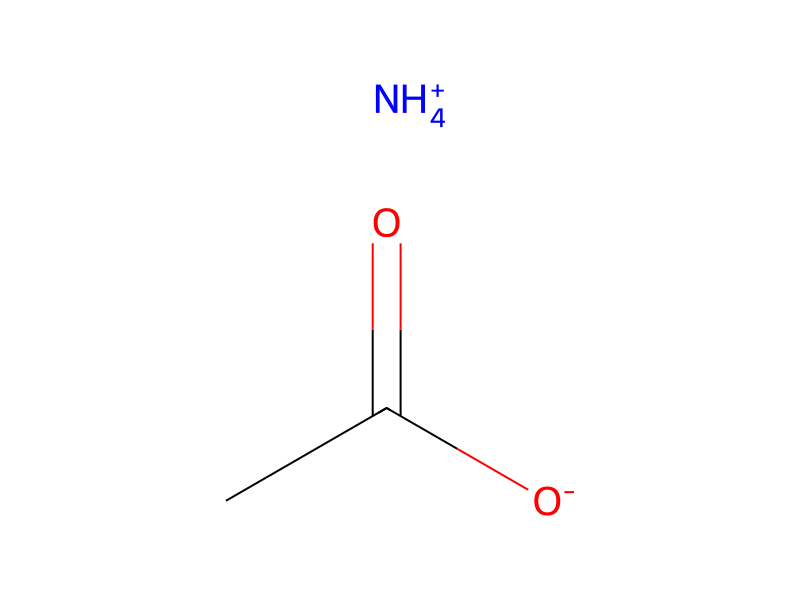
14.0 g (87 mmol) of 1,3-dimethyl-2,3-dihydro-2-oxopyrimidinium chloride obtained in Example 1 was dissolved in 25 ml of acetonitrile and mixed with 10 g (83 mmol) of 4-acetylpyridine, and 12.6 g (125 mmol) of triethylamine was added dropwise thereto at 45° C. or less. After 30 minutes of the reaction at 45° C., acetonitrile and triethylamine were evaporated under a reduced pressure, and 25 ml (416 mmol) of acetic acid and 39 g (454 mmol) of ammonium acetate were added to the residual liquid to carry out the reaction at 120° C. for 8 hours. After completion of the reaction, this was cooled to room temperature, neutralized with 217 g of 25% sodium hydroxide aqueous solution and then extracted three times with 200 ml of toluene. The organic layer was concentrated and then purified by distillation under a reduced pressure to obtain 10.3 g (yield 80%) of the title compound (purity 99.9%, melting point 56-57° C.).