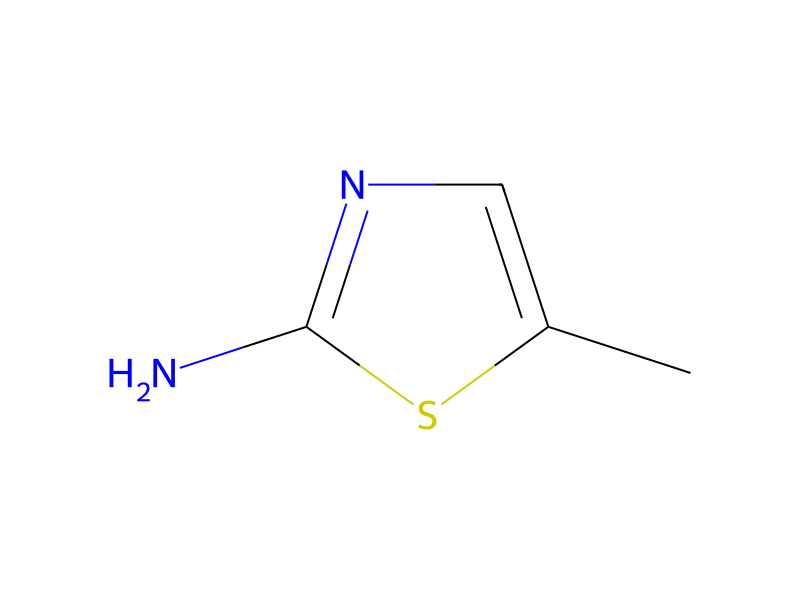
[OH:1][C:2]1[C:7]2[CH:8]=[CH:9][CH:10]=[CH:11][C:6]=2[S:5](=[O:13])(=[O:12])[N:4]([CH3:14])[C:3]=1[C:15]([NH:17][C:18]1C=CC=CC=1)=[O:16].NC1[S:26][C:27]([CH3:30])=[CH:28][N:29]=1.C1(C)C=CC(S(O)(=O)=O)=CC=1>C1(C)C(C)=CC=CC=1>[OH:1][C:2]1[C:7]2[CH:8]=[CH:9][CH:10]=[CH:11][C:6]=2[S:5](=[O:12])(=[O:13])[N:4]([CH3:14])[C:3]=1[C:15]([NH:17][C:18]1[S:26][C:27]([CH3:30])=[CH:28][N:29]=1)=[O:16]1.0 gm (3 millimols) of 4-hydroxy-2-methyl-N-phenyl-2H-1,2-benzothiazine-3-carboxamide-1,1-dioxide were refluxed with 1.15 gm (10 millimols) of 2-amino-5-methyl-thiazole and 0.1 gm of p-toluenesulfonic acid in 250 ml of xylene for 72 hours. After cooling, the reaction mixture was washed with 2N hydrochloric acid and with water, dried and evaporated in vacuo. The residue was purified column-chromatographically (Merck-silica gel 60; particle size: 0.2-0.5 mm; eluant: chloroform/ethanol, 95:5), yielding 0.25 gm (24% of theory) of 4-hydroxy-2-methyl-N-(5-methy-2-thiazolyl)-2H-1,2-benzothiazine-3-caboxamide-1,1-dioxide.