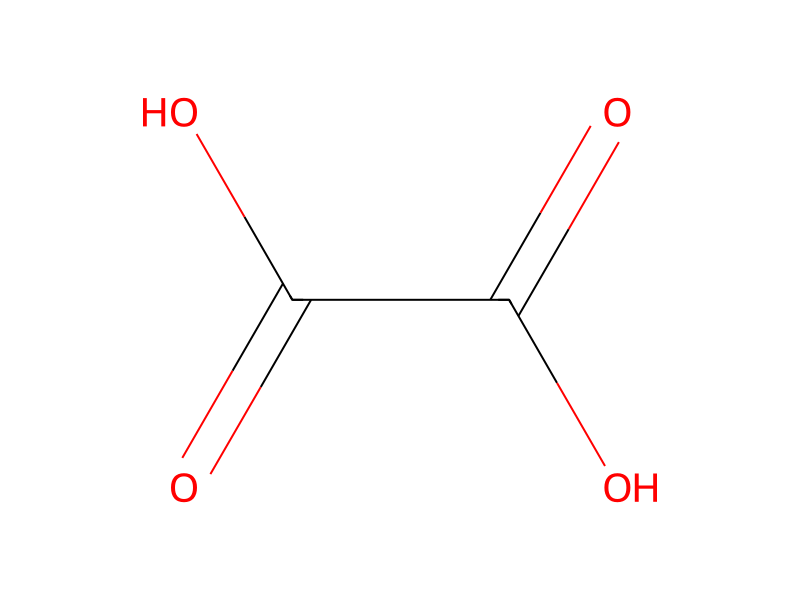
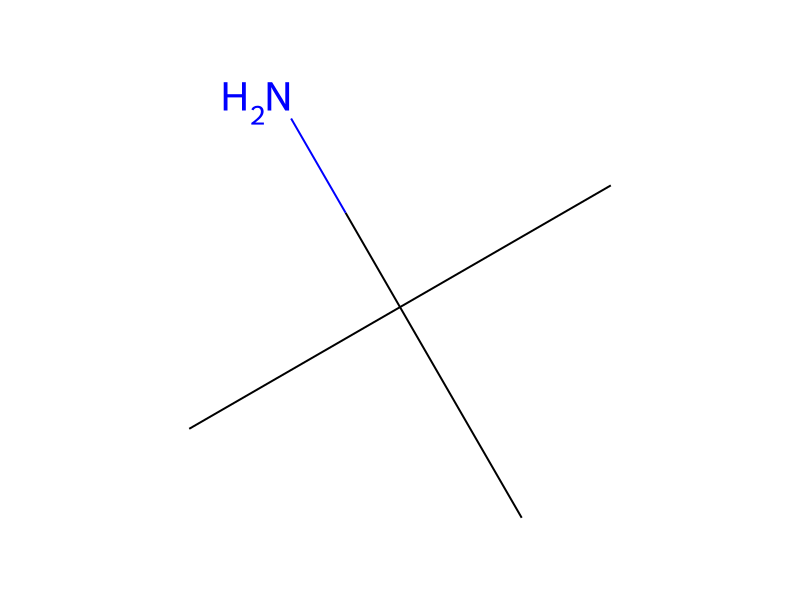
I[CH2:2][CH2:3][CH2:4][CH:5]1[C:11]2[CH:12]=[C:13]([I:16])[CH:14]=[CH:15][C:10]=2[CH:9]=[CH:8][C:7]2[CH:17]=[CH:18][CH:19]=[CH:20][C:6]1=2.[C:21]([NH2:25])([CH3:24])([CH3:23])[CH3:22].[C:26]([OH:31])(=[O:30])[C:27]([OH:29])=[O:28]>CO>[C:26]([OH:31])(=[O:30])[C:27]([OH:29])=[O:28].[C:21]([NH:25][CH2:2][CH2:3][CH2:4][CH:5]1[C:11]2[CH:12]=[C:13]([I:16])[CH:14]=[CH:15][C:10]=2[CH:9]=[CH:8][C:7]2[CH:17]=[CH:18][CH:19]=[CH:20][C:6]1=2)([CH3:24])([CH3:23])[CH3:22]5-(3-Iodopropyl)-3-iodo-5H-dibenzo[a,d]cycloheptene (2.1 g., 0.0043 mole) is dissolved in 1.82 g. (0.025 mole) of t-butylamine and the solution stirred 18 hours at room temperature. The suspension is evaporated in vacuo, treated with 0.5 N NaOH, and extracted three times with methylene chloride. The methylene chloride fractions are combined, washed three times with water, dried over sodium sulfate, and evaporated in vacuo. The residue is chromatographed on 45 g. of silica gel GF (eluted with chloroform and 2%, 5%, and 8% methanol in chloroform). The product fraction is evaporated in vacuo. The resulting oil is dissolved in methanol, treated with one equivalent (one half mole) of oxalic acid in methanol, and evaporated in vacuo. The residue, triturated with ether, provides 1.25 g. of pale yellow powder. This solid, recrystallized from methanol/acetonitrile, melts at 217.5°-218.5°.