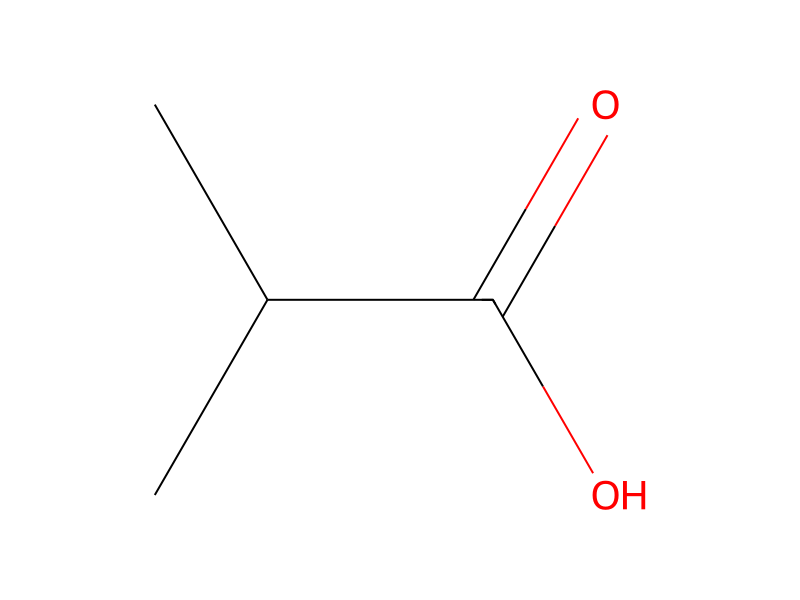
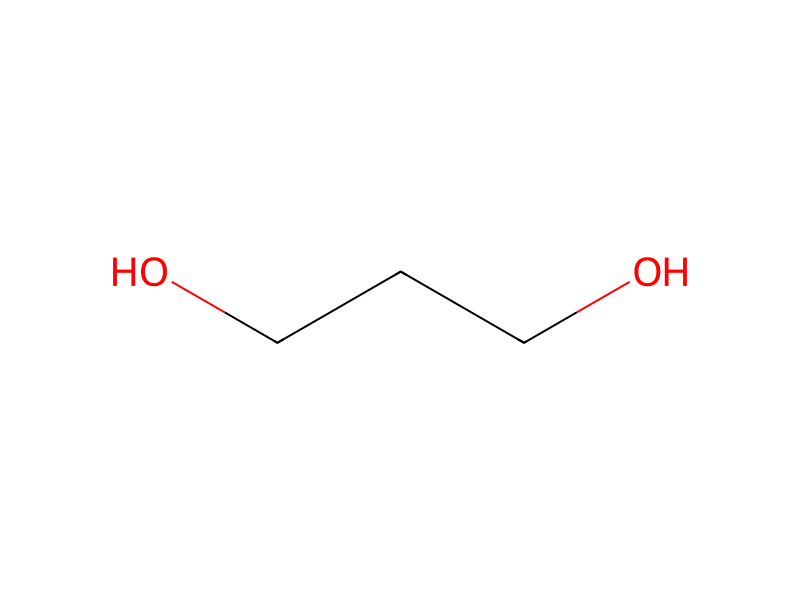
A mixture of 28.0 ml (31.0 g, 0.5 mole) of ethylene glycol (VIII), 200 ml of benzene, 111.6 ml (105.8 g, 1.2 mole) of isobutyric acid and 9.5 g (0.05 mole) of p-toluenesulfonic acid monohydrate is stirred under reflux for 2.5 hours, while the water being formed is continuously separated by using a Dean-Stark apparatus. Then the mixture is cooled to about 10° C., extracted three times with 100 ml of ice-cold 1N aqueous sodium hydroxide solution, washed with water until neutral, dried over sodium sulfate and the solvent is distilled off under reduced pressure. The crude product obtained in almost quantitative yield is subjected to fractional distillation under reduced pressure. Thus 86.0 g of the desired compound are obtained in the form of a colourless oil. Yield: 85.0 %. B.p.: 74°-76° C./107 Pa. According to gas-chromatography the product is homogeneous and contains 0.3% by weight of water (determined according to Karl Fisher's method). The product thus obtained can be used directly in the next reaction step.