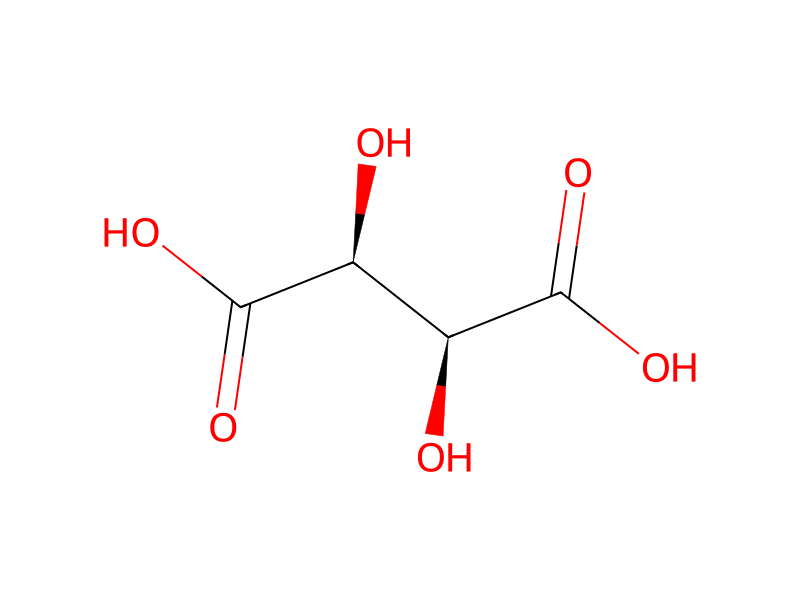
[N:1]12[CH2:8][CH2:7][CH:4]([CH2:5][CH2:6]1)[CH:3]([NH:9][C:10](=[O:18])[C:11]1[CH:16]=[CH:15][CH:14]=[C:13]([Cl:17])[CH:12]=1)[CH2:2]2.C(O)(=O)[C@H]([C@@H](C(O)=O)O)O.Cl>CO.CC(C)=O>[ClH:17].[N:1]12[CH2:6][CH2:5][CH:4]([CH2:7][CH2:8]1)[C@H:3]([NH:9][C:10](=[O:18])[C:11]1[CH:16]=[CH:15][CH:14]=[C:13]([Cl:17])[CH:12]=1)[CH2:2]2N-(3-Quinuclidinyl)-3-chlorobenzamide (52.5 g) dissolved in methanol is added to a solution of D-tartaric acid (29.7 g) in methanol. The precipitate obtained is collected by filtration and treated twice with methanol under reflux. The salt thus purified (20 g) is decomposed with aqueous sodium hydroxide solution and the product extracted with chloroform. After the organic phase has been dried and evaporated, the base obtained is treated in acetone with ethanolic hydrogen chloride solution. The hydrochloride which precipitates is collected by filtration and recrystallized in ethanol. 9.4 g of optically pure (S)-(-)-N-(3-quinuclidinyl)-3-chlorobenzamide hydrochloride are obtained.